
Hail Damage Car Insurance Claim: Should You File?

Volatile summer storms around Madison WI can leave your vehicle covered in dents in a matter of minutes. Car hail damage is one of the most common weather-related claims we see; and depending on the extent of the damage, you may have a tough decision to make.
Do you file a hail damage car insurance claim, live with the dents, or fix it yourself out-of-pocket? The answer depends on your coverage, your deductible, and how bad the damage actually is. Let's walk through it.
Does Car Insurance Cover Hail Damage?
Here's the good news: yes, in most cases car insurance covers hail damage; but only if you carry the right coverage.
Hail damage falls under comprehensive coverage, sometimes called "comprehensive insurance" or "other than collision" coverage. Comprehensive handles non-collision events – things outside your control like hail, falling branches, flooding, theft, and animal strikes. Since hail is a weather-related, non-collision event, it's a classic comprehensive claim.
Here's the catch: if you carry liability-only insurance, you're not covered. Liability insurance only pays for damage you cause to other people and their property. It does nothing for your own vehicle. So a driver with a liability-only policy who gets caught in a hailstorm is on their own for repairs.
Not sure what you have? Check your auto insurance policy declarations page, or call your agent. Look specifically for "comprehensive" coverage and note the deductible attached to it. If you have a car loan or lease, your lender almost certainly requires comprehensive coverage, so you're probably covered.
One important note: you can't add comprehensive coverage after a hailstorm to cover pre-existing damage. Insurance covers sudden, accidental events; not damage that already happened. If your car already has hail dents and you add coverage tomorrow, those existing dents won't be covered.
Should I Claim Hail Damage on My Car?
This is the real question, isn't it? Just because you can file a claim doesn't always mean you should. Here's how to think it through.
Do the Deductible Math
Comprehensive deductibles typically run from $100 to $1,000, with $500 being common. Your deductible is what you pay before insurance covers the rest.
Say your hail damage repair estimate is $2,500 and your deductible is $500. You pay $500, insurance covers $2,000. Filing makes sense.
But if the repair estimate is $600 and your deductible is $500? You're only getting $100 from insurance. In that case, paying out-of-pocket might make more sense and keeps a claim off your record.
Will a Hail Claim Raise My Rates?
Here's something a lot of drivers don't know: comprehensive claims for weather-related damage usually don't raise your individual rates the way an at-fault collision would. Hail isn't your fault; you didn't cause the storm.
That said, if a major hailstorm hits the whole Madison area and thousands of policyholders file claims at once, insurers may raise rates region-wide over time. It's not aimed at you specifically, but it can happen after severe weather events. Still, for a single hail claim, the rate impact is usually minimal or nonexistent.
Consider the Damage Severity
Light, cosmetic dents you can barely see? You might choose to live with them, especially on an older vehicle. Significant damage that affects your car's appearance, value, or has cracked your windshield or paint? That's worth pursuing.
How to Claim Hail Damage for Auto Insurance
If you decide to move forward, here's the step-by-step process for filing your hail damage claim.
Step 1: Call Your Insurer
Contact your insurance company as soon as possible after the storm. The sooner you start, the smoother the process. Your agent may review the details over the phone and explain exactly what to expect. Some companies can even start the claim and send forms during that first call.
Know your deductible before you call; it shapes every decision that follows.
Step 2: Document the Damage
Take photos. Lots of them, from every angle. Digital photos make this easy, so don't hold back. Capture the roof, hood, trunk, and panels in good light where the dents are visible. Include your windshield and any glass damage.
These images protect you. They're useful for your records and invaluable if there's ever a dispute about the extent of the damage. They also help the insurance company process your claim faster.
Step 3: Complete the Claim Form
Fill out your claim form accurately and honestly if it wasn't completed over the phone. Hail damage is filed under comprehensive coverage. Attach your damage photos and include notes describing the extent of the damage; the more thorough you are, the better.
Step 4: Get Repair Estimates
While the paperwork is processing, take your car to auto body repair shops that specialize in hail damage repair and paintless dent repair. Gather written estimates so you understand the real cost of your repair.
Be aware: some insurers stipulate OEM parts only, while others allow aftermarket parts. If all you need is paintless dent repair – which requires no replacement parts at all – the OEM versus aftermarket question may not even apply. Keep your detailed estimates for reference when you talk with your insurer.
Not sure how to pick a shop? Our guide on finding a good auto body shop in Madison WI walks you through what to look for.
Step 5: The Insurance Adjuster Assessment
Car hail damage repair can get expensive, so many insurers send an adjuster (sometimes called a risk assessor) to inspect your vehicle in person. The adjuster reviews the damage and the repair estimates to determine your payout.
This is where the estimates you gathered really pay off. If the adjuster's number comes in low, your independent estimates give you leverage to negotiate a fair payout. Make sure the final offer actually covers your repair costs. Don't accept a payout that leaves you short.
Remember; you have the right to choose your own repair shop. Your insurer might steer you toward a preferred shop, but the choice is yours. Learn more about your rights in our piece on the insurance-preferred body shop.
When Hail Damage Totals Your Car
Sometimes hail damage is severe enough that the insurance company declares the vehicle a total loss. This happens when the repair cost exceeds a certain percentage of the car's value.
Here's how it works: insurers calculate your vehicle's actual cash value (ACV) – what it's worth right now, accounting for age, mileage, and condition. If the hail repair estimate approaches or exceeds that actual cash value, they may total the car rather than pay to fix it.
For a newer vehicle, hail rarely totals it; the car is worth too much. But for an older vehicle that's still reliable and mechanically sound, extensive hail damage can easily exceed its book value. That $4,000 hail repair on a car worth $3,500? The insurer will likely call it a total loss.
This is frustrating, because a car with nothing but cosmetic hail dents still runs perfectly fine. You're left with a payout that might not reflect how useful the vehicle still is to you.
Paintless Dent Repair Can Save a "Totaled" Car
Here's where we can help; even when the numbers say total loss.
If your otherwise-sound vehicle gets declared a total loss over cosmetic hail damage, you often have a Plan B. Many owners take the insurance payout, keep the car (as a "salvage" or "owner-retained" title in some cases), and have the dents fixed affordably with paintless dent repair.
Paintless dent repair (PDR) is ideal for hail damage because hail creates shallow dents that haven't cracked the paint. Skilled technicians massage the dents out from behind the panel, preserving your original factory finish. No fillers, no repainting, no color-matching issues. It's faster and far cheaper than traditional body work.
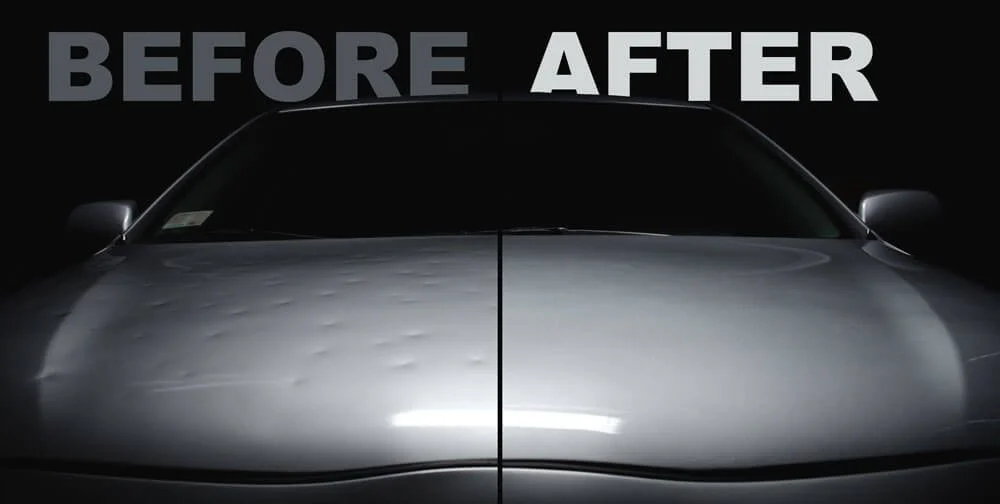
For a reliable older car with sentimental or practical value, PDR means you can pocket part of the insurance payout, fix the hail damage for less, and keep driving a car you know and trust. It's the smart move for a lot of hail-related total loss situations.
Protecting Your Car from Future Hail
Once you've dealt with one hailstorm, you'll want to avoid the next one. A few tips for hail-prone summer months in Wisconsin:
Park in a garage or covered structure when storms are forecast. If you don't have covered parking, a padded car cover or even thick moving blankets can absorb some hailstone impact. Watch the weather; Madison area storms often give you a little warning. When severe weather threatens, moving your vehicle under any available cover; a carport, a parking ramp, even a gas station canopy; can save you thousands in damage.
Auto Color: Hail Damage Repair in Madison WI
Both Auto Color locations in Middleton and Madison work directly with insurance companies to repair car hail damage. We provide detailed estimates, document everything for your claim, and handle the back-and-forth with adjusters so you don't have to.
And when the insurance math says "total loss" but your car still has plenty of life left, we offer affordable hail damage repair using paintless dent repair to keep reliable vehicles looking great and on the road.
For details on your car hail damage repair options, contact the Auto Color pros at either of our two Madison WI locations:
Our convenient locations serve surrounding communities including Verona, Waunakee, Fitchburg, Sauk City, McFarland, Middleton, Monona, Cottage Grove, Sun Prairie, DeForest, and all of Dane County.
Call Auto Color today for a free hail damage estimate; we'll help you figure out whether filing a claim makes sense and get your vehicle looking like new again.
Professional auto body services including hail damage repair, paintless dent repair, collision repair, and complete refinishing. Honest evaluations, quality work, and service you can trust since 1991.
