
Auto Paint Refinishing: A Guide to Car Paint Damage & Repair
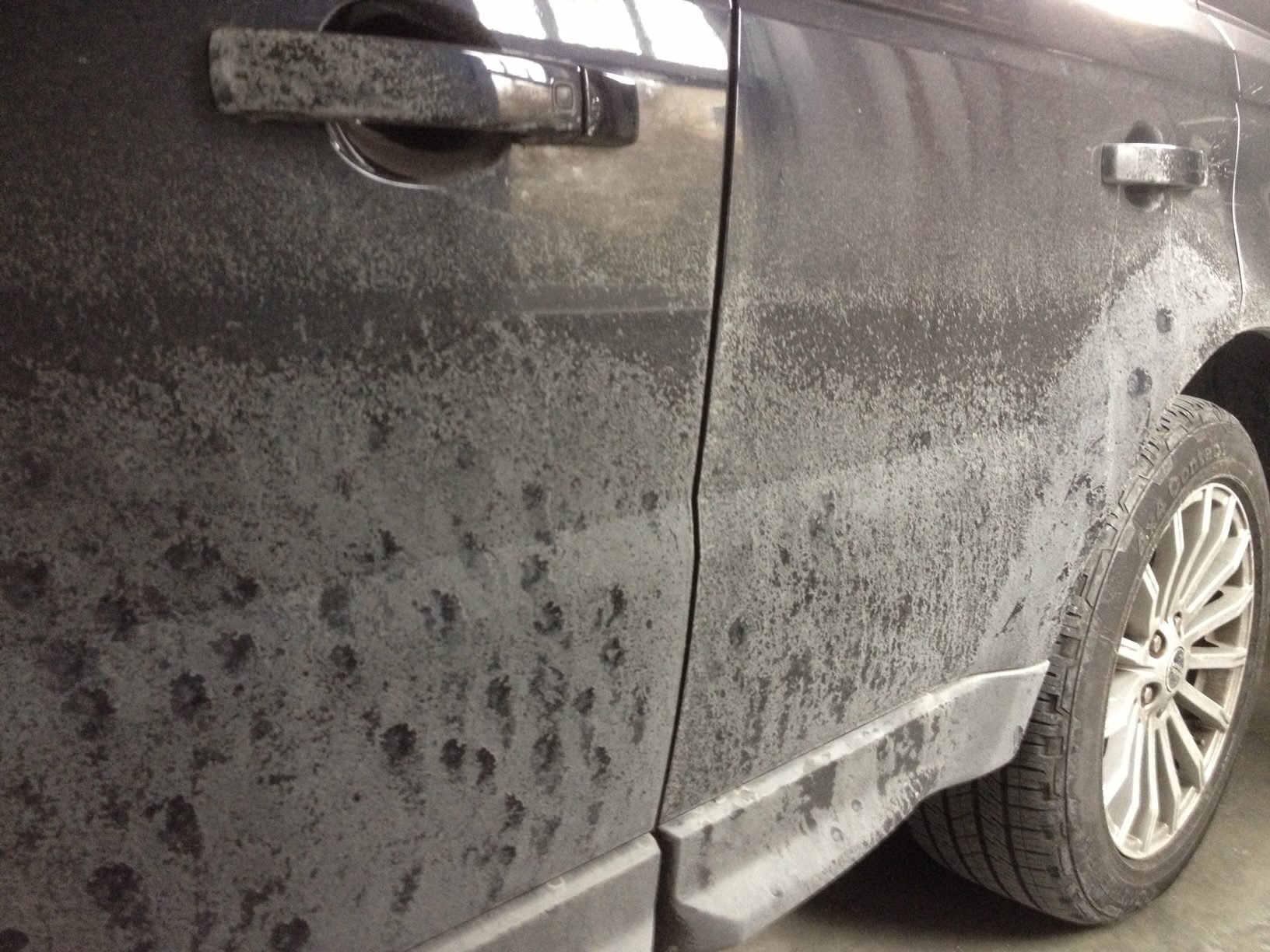
Even when it's sitting on the new car lot, your vehicle's paint is under attack. Unless the car is tucked away indoors, some form of car paint repair is inevitable. Everything from the sun beating down to manmade stresses threatens a car's shine here in Madison WI.
The number one cause of automotive paint going bad? UV radiation from the sun. It does more harm in a shorter period than most people think possible. Whenever your vehicle is parked in the sun, the paint undergoes a chemical reaction. Add dirt, grit and environmental pollutants to the mix and the problems multiply in a hurry.
The quality of the original paint – or any refinishing done in the past – influences how well it protects too. As it ages, paint oxidizes. It fades, peels and eventually disintegrates if left untreated.
Common Types of Car Paint Damage
There are five major conditions that lead to a visit to a paint and body shop:
Delamination: When layers of clear coat start to peel off, that's called delamination. It starts small and spreads like a rash across your hood or roof. Usually the result of poor-quality paint during a previous repair or extended exposure to harsh sun. Best way to avoid it? Park indoors or at least in the shade whenever you can manage it.
Peeling: It takes considerable wear or damage for paint to actually peel down to bare metal. Dings and damage to the clear coat open the surface up to moisture. Repairing and repainting dings and sheet metal damage as soon as possible is your best prevention strategy.
Fading: Exposure to sun and Wisconsin weather causes your car's finish to look dull and lifeless. The shine disappears. UV rays combined with pollution fade the paint over time. Regular washing and routine waxing are the best steps to slow down fading, though they can't stop it completely.
Scratches: Storms, flying debris, shopping carts, and folks not paying attention in parking lots all contribute to the collection of scratches on your vehicle. Your driving and parking habits help reduce the threat, but unfortunately you can't control other people or Mother Nature.
Rust: The biggest attacker of car paint is rust, hands down. Dings and scratches create wounds in the clear coat and paint. Moisture works its way in and rust follows close behind. Good wash-and-wax maintenance plus keeping your vehicle out of the weather as often as possible is the best protection you've got.
How to Assess Car Paint Damage Severity
Not all paint damage requires professional auto paint refinishing. Here's how to tell what you're dealing with:
Surface-level damage (you can fix yourself): Run your fingernail across the scratch. If your nail doesn't catch, it's just in the clear coat. Water spots, light swirl marks, and minor bird droppings etching usually fall into this category. These respond well to paint correction with a clay bar and polish.
Mid-level damage (might need a pro): If your fingernail catches but you can't see primer or metal, the scratch goes through clear coat into the base coat. Touch-up paint can work here if you're careful, but color-matching is tricky. This is where most people decide whether to DIY or call a paint shop.
Deep damage (definitely needs professional help): If you see white primer or bare metal, the damage goes all the way through the paint system. You need proper surface prep, primer, base coat, and clear coat to fix this right. Trying to touch this up yourself usually makes it look worse.
Understanding Automotive Paint Layers
Modern car paint isn't just one thing slapped on metal. It's a sophisticated system of multiple layers, each with a specific job.
E-coat (electrocoat): This is the factory's first line of defense against rust. It's applied electronically to bare metal and creates a corrosion-resistant foundation. You won't see this unless you're looking at a brand-new unfinished body panel.
Primer: Usually a flat gray color, primer helps fresh paint stick to the surface. Professional painters use primers that keep moisture away from metal too – an added level of protection from rust and oxidation. There are different primers for different jobs: filler primers for smoothing imperfections, epoxy primers for maximum adhesion, and surfacers for creating the perfect top coat foundation.
Base coat: This is where the actual color lives. Base coat paint doesn't have specialized hardeners and doesn't go on with a glossy shine. It's just pigment and binders. Single-stage paints combine color and clear coat in one step, but these are mostly found on older vehicles or budget paint jobs now.
Clear coat: Just like it sounds – clear coat adds no color but it does protect the base paint and provides that glossy shine everyone wants. Most modern clear coats are chemical preparations flexible enough to work on plastic parts. They're also UV inhibitors designed to prevent fading from the sun. This is the layer that takes the beating from the environment.
About 40 years ago, manufacturers switched from single-stage to two-stage paint systems using base coat and clear coat. Two-stage painting is more durable, provides better gloss, and is more environmentally friendly than the old lacquers.
The Auto Paint Refinishing Process: Step-by-Step
If it's too late to buff and polish your car's paint back to a factory shine, professional auto paint refinishing is the next step. Here's what that process actually involves:
Step 1: Assessment & Prep Work
First, a good paint and body shop will assess the damage. How much area needs repainting? Is there rust that needs addressing? Does the panel need to be removed? This determines the scope and cost of the job.
Then comes surface prep – this is where most DIY jobs fail. The existing paint needs to be sanded down. For spot repairs, you're feathering the edges so new paint blends smoothly. For full repaints, you might be taking it down to bare metal in some areas. This is time-consuming work requiring the right grits of sandpaper in sequence: maybe starting with 320-grit to remove old paint, then 600-grit to smooth, then 1000-grit for final prep.
The vehicle gets thoroughly cleaned to remove any contaminants – oils, waxes, silicones. Even fingerprints can cause problems with paint adhesion. Professional shops use wax and grease removers specifically designed for this.
Then comes masking. Everything that isn't getting painted needs to be covered: windows, trim, rubber seals, emblems. This takes longer than you'd think.
Step 2: Primer Application
Primer goes on next, applied with a spray gun in multiple light coats rather than one heavy coat. It needs to dry completely – we're talking hours, not minutes. Rushing this step causes problems down the line.
Once dry, the primer gets sanded smooth with fine-grit paper (usually 400 to 600-grit). Any imperfections in the primer will show through the top coat, so this step can't be half-assed.
Step 3: Base Coat Application
Now we're getting to the color. Base coat gets mixed to match your vehicle's paint code – or whatever custom color you've chosen. Professional painters use computerized color-matching systems and then fine-tune by eye, accounting for how your existing paint has faded over time.
The base coat goes on in several thin coats, typically 2-3 passes with proper flash time between each. Flash time is how long you wait between coats for solvents to evaporate. Too little flash time and you get runs. Each coat needs 10-20 minutes depending on temperature and humidity.
Step 4: Clear Coat Application
Clear coat is where the magic happens. This is what gives that deep, wet-looking shine. Like the base coat, clear goes on in multiple thin coats – usually 2-4 coats for a quality job.
The first coat of clear is usually a light tack coat. Then you build up with progressively heavier coats. The final coat is the wettest, laid on thick enough to create that glass-like finish but not so thick it runs.
Step 5: Curing and Color Sanding
After the clear coat, the paint needs to cure. In a professional booth with heat, this might take a few hours. In a home garage, you're looking at days before it's truly hard. Some shops bake the paint at controlled temperatures to accelerate curing.
For show-quality finishes, there's often a final color sanding and buffing step. This removes any orange peel texture and brings out maximum gloss. Wet sanding with 1500 to 3000-grit paper followed by machine polishing creates that mirror finish.
DIY Touch-Up vs. Professional Auto Paint Refinishing
So when should you attempt a DIY fix versus taking it to a paint and body shop?
When DIY Touch-Up Makes Sense
You can handle minor fixes yourself if:
The damage is smaller than a quarter
You're okay with "good enough" rather than perfect
The scratch doesn't go through to primer or metal
You have a common color that's easy to match
For small chips and scratches, touch-up paint pens from the dealer can work reasonably well. The key is prep: clean the area thoroughly, use a clay bar to remove any contaminants, and apply the touch-up paint in thin layers. You can wet-sand and polish after it cures to blend it better.
Surface-level clear coat scratches and swirl marks respond well to paint correction using a dual-action polisher and the right compounds. This is something DIY-minded car owners can learn, but there's definitely a learning curve. Practice on a junked hood panel before attacking your daily driver.
When You Need Professional Help
Head to a paint shop when:
The damage covers more than one panel
You can see primer or bare metal
Color matching is critical (like on a hood or door where mismatched paint is obvious)
The vehicle has a special finish (metallic, pearl, or custom color)
You need it to look factory-fresh for resale value
Professional shops have climate-controlled spray booths, industrial-grade equipment, and color-matching technology you can't replicate at home. More importantly, they've done this hundreds of times. That experience matters when you're trying to blend new paint with old or match a metallic flake pattern.
Cost Factors: What Does Auto Paint Refinishing Actually Cost?
This is the question everyone wants answered: how much does it cost to fix car paint damage?
The honest answer? It depends. But here are some realistic ranges for the Madison WI area:
Minor touch-up and paint correction: $150-$400
Small chips and scratches
Light oxidation removal
Swirl mark correction
Clay bar treatment and polish
Single panel repaint: $300-$800 per panel
Bumper cover: $300-$500
Door: $400-$600
Hood or trunk lid: $500-$800
Fender: $400-$700
Multi-panel repair: $1,000-$3,000
Two or three panels that need blending
Collision repair with paint work
Major scratch or key damage
Full vehicle repaint: $3,000-$8,000+
Budget paint job (mask and spray): $3,000-$4,000
Quality repaint (proper prep): $5,000-$8,000
Show-quality finish: $8,000-$15,000+
What drives these costs? Several factors:
Labor: Paint work is labor-intensive. Proper surface prep alone can take a full day for a complete repaint.
Paint quality: High-end automotive paint with better UV protection and longer-lasting finish costs more than budget options.
Panel complexity: Curved panels and metallic colors require more skill and time to get right.
Prep requirements: Rust repair, dent removal, and extensive sanding all add to the final bill.
The $3,000 rule for cars basically says if repairs cost more than the vehicle is worth, you're better off selling it as-is. But that's usually for major collision repair, not cosmetic paint work that significantly improves resale value.
What Ruins Car Paint: Common Threats to Your Finish
Understanding what damages automotive paint helps you protect your investment. Here are the biggest threats, especially here in Madison and surrounding areas like Middleton, Waunakee, and Sun Prairie:
Environmental contaminants:
Bird droppings (highly acidic, can etch clear coat in hours)
Tree sap and pollen (sticky and acidic)
Road tar (bonds to paint, requires special solvents)
Industrial fallout and smog
Acid rain
Road chemicals:
Road salt (massively corrosive, especially on undercarriage and lower panels)
Calcium chloride and magnesium chloride (alternative de-icers that are just as bad)
Oil and gasoline spills
Mechanical damage:
Rock chips from highway driving
Shopping cart dings
Door dings in parking lots
Brush scratches from automatic car washes
UV radiation: The silent killer. Even on cloudy days, UV rays are breaking down the chemical bonds in your clear coat. Over time this causes fading, chalking, and eventually clear coat failure.
Improper washing: Using dish soap instead of car wash soap, dirty towels that scratch, automated brushes that create swirl marks. More paint is damaged by bad washing technique than most people realize.
How to Keep Car Paint in Top Condition
Old-style or modern paint, no car's surface lasts without proper care. Here's what actually works:
Regular washing: Get the outside clean. Remove all dirt, debris and corrosives. During Wisconsin winters, road salt is a huge problem. Washing every two weeks minimum in winter prevents salt buildup. In summer, bird droppings and tree sap need to come off ASAP.
Use proper technique: Two-bucket method with microfiber wash mitts. Never use dish soap – it strips wax and dries out seals. Use actual car wash soap designed for automotive finishes.
Remove bonded contaminants: Even a good wash won't remove everything. Oil, road grime, tar, rail dust, and baked-on bug splatter require extra attention. A clay bar treatment 2-3 times per year pulls out embedded contaminants that washing misses. You can feel the difference – the paint feels glass-smooth after claying.
Polish and protect: Buff over tiny scratches and swirl marks with high-quality car polish. If you're serious about keeping your vehicles polished, invest in a dual-action polisher. They're way more forgiving than rotary polishers and can't burn through paint like the old-school rotary buffers could.
Apply protection: After polishing, apply either traditional wax, synthetic sealant, or ceramic coating. Each has pros and cons:
Traditional carnauba wax: beautiful warm glow, lasts 1-3 months
Synthetic sealant: longer protection (4-6 months), easier application
Ceramic coating: longest protection (1-3 years), hardest to apply correctly, most expensive
Park smart: Garage parking whenever possible. If you have to park outside, choose shade. Even a car cover is better than nothing for long-term outdoor storage.
Choosing the Right Paint and Body Shop
Not all collision repair shops and paint shops deliver the same quality. Here's what to look for:
Certifications: Manufacturer certifications (like for aluminum body repair) show they've invested in proper training and equipment.
Paint booth quality: A climate-controlled, filtered paint booth is essential for dust-free finishes. Ask to see where the actual painting happens.
Color-matching technology: Computerized spectrophotometers measure your exact paint color accounting for fading. Way better than just using your paint code and hoping for the best.
Warranty: Reputable shops stand behind their work. Ask what's covered and for how long.
Real examples of their work: Photos are good. Seeing vehicles in person is better. A shop confident in their quality will show you examples.
Clear estimates: You should get a detailed written estimate breaking down labor, materials, and any additional work discovered during the process.
When You're Ready for Professional Auto Paint Refinishing
With each new model year, manufacturers come out with new colors – some have three or four different whites and blacks! Each has its pros and cons. But what's new in paint technology matters less to car owners dealing with dings, dents and aging paint.
What matters is matching your existing paint job, accounting for fading and weathering. You don't want your car rolling around Madison with two fenders in slightly different shades of red, right?
At Auto Color, our painting professionals stay current with the latest technology and color-matching systems. We understand that vehicle paint discoloration from years of Wisconsin sun exposure means we can't just spray factory-fresh paint on one panel and call it good. The art is in the blending – making new paint match weathered paint so the repair is invisible.
Whether your car, truck or SUV needs paint touch-up for minor chips or you want complete paint repairs with professional auto paint refinishing, we've got the experience and equipment to do it right.
Our Madison Area Locations
Auto Color serves the greater Madison area with two convenient locations:
We handle everything from minor scratch repair and paint correction to complete collision repair and full vehicle repaints. Our climate-controlled spray booths, computerized color-matching, and experienced technicians ensure your vehicle gets the quality finish it deserves.
Call Auto Color today to schedule an estimate. We'll assess your paint damage, explain your options, provide realistic cost and timeline information, and help you decide whether DIY touch-up or professional auto paint refinishing makes the most sense for your situation. Your car's finish is our specialty – and we take that seriously.
Serving Madison, Middleton, Waunakee, Sun Prairie, and all of Dane County with professional automotive paint repair and refinishing services since [year].
