
Road Salt Car Damage: How to Protect Your Vehicle (and Fix What's Already There)
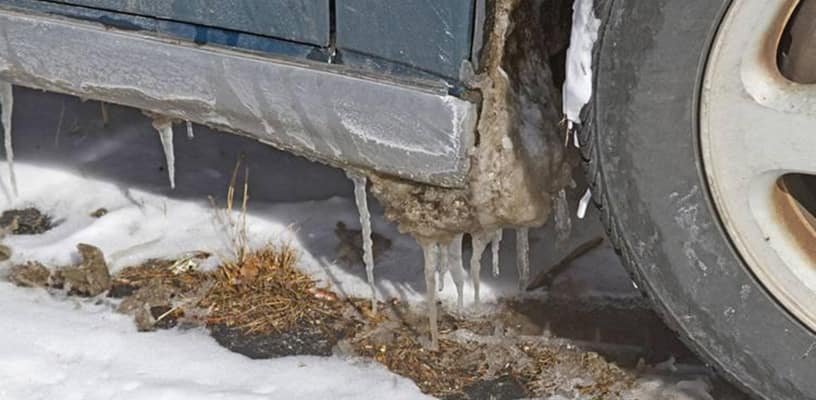
Snow, ice, and road salt on Wisconsin roads are facts of winter life. Road salt damage is the number one threat to every car around Madison WI – and it's not even close. You can't avoid the heavy layer of salt and de-icer that builds up on our roads from November through March. Sometimes into April.
The same de-icing chemicals keeping you safe on the road are actively threatening the paint and bodywork on your car, truck or SUV. But here's the good news: salt and chemical road treatments don't cause instant rust. These corrosives take time to work. That means you've got time to protect your ride if you act before the damage gets serious.
Does Road Salt Damage Car Paint?
Yes. Road salt – mainly sodium chloride – is highly corrosive to automotive paint, clearcoat, and exposed metal. But it's not as simple as "salt eats paint."
Salt speeds up oxidation. When it mixes with moisture (which Wisconsin has plenty of in winter), it creates an electrolyte solution that accelerates rust on any exposed metal. Salt lowers the freezing point of water, which means salty moisture stays liquid and active at temperatures that would otherwise freeze it solid. That's why it melts ice on roads – and why it's so effective at corroding your car.
Small paint chips from gravel or door dings become entry points. Salt works into these tiny openings, gets under the paint edge, and starts corroding the metal from the inside out. By the time you see bubbles in the paint, the rust underneath has been growing for months.
Your clearcoat takes a beating too. Repeated salt exposure breaks down UV protection and causes the clearcoat to turn cloudy, then chalky, then it starts flaking off. Once clearcoat fails, your base paint faces salt, moisture, and UV rays directly – and things go downhill fast.
How Long Does It Take for Salt to Rust a Car?
The timeline might surprise you.
Surface rust on exposed metal: 1-3 months of winter salt exposure without washing. Got a paint chip down to bare metal? You'll see orange rust spots forming within weeks.
Paint damage and bubbling: 6 months to 2 years. Salt gets under paint edges through chips or scratches. The rust grows underneath where you can't see it.
Structural rust: 3-7 years of neglected salt exposure. Frame rails, rocker panels, wheel wells, floor pans. Once rust hits structural parts, repair costs skyrocket. We've seen trucks come into our Middleton shop with frame rails you could push a screwdriver through.
Will dry salt rust a car? Dry salt is mostly dormant. It needs moisture to become corrosive. But here in Wisconsin, "dry" doesn't last long. Morning dew, rain, melting snow, even humidity reactivates dried salt residue on your vehicle. Don't assume dry buildup is harmless.
The key factor? How often you wash. A car washed every two weeks holds up decades longer than one that goes all winter without a wash.
How to Neutralize Road Salt on Car
Getting salt off is step one. Neutralizing it – stopping the corrosive action – takes a bit more.
Water First
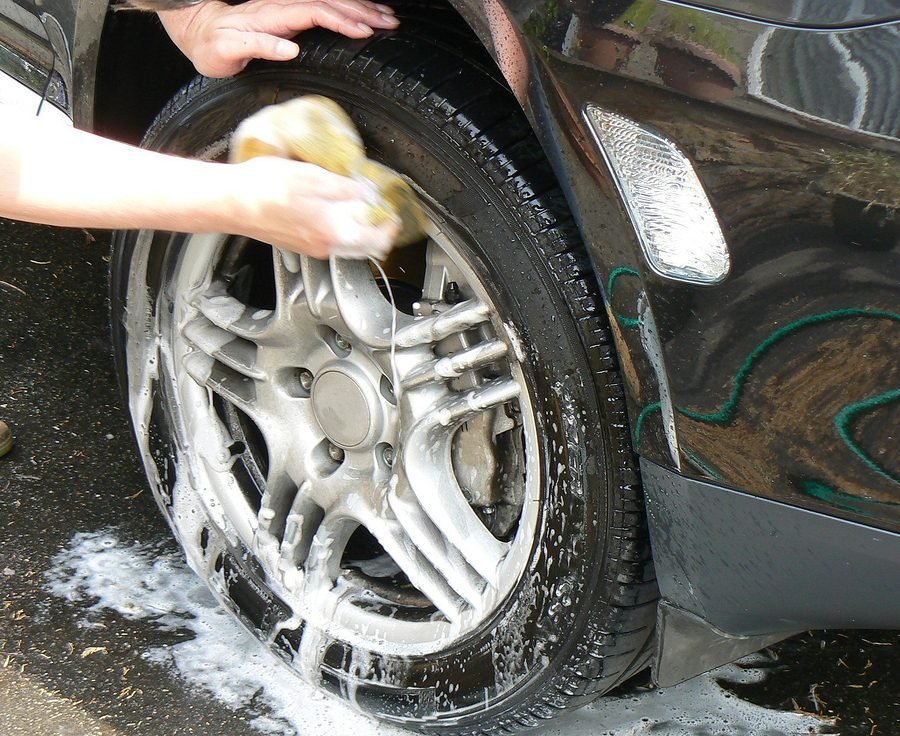
Plain water dissolves road salt. A thorough rinse removes the bulk from your vehicle's surfaces. High-pressure spray or a pressure washer works best because it reaches into hard-to-reach crevices, seams, and underbody areas where salt hides.
Neutralizing Solutions
Water removes salt but doesn't fully neutralize corrosive residue. For that:
Baking soda wash: Mix a tablespoon of baking soda per quart of warm water. This mildly alkaline, pH-balanced solution neutralizes salt's corrosive properties. Spray it on, let it sit a minute or two, then rinse thoroughly. Old-school method that actually works.
Commercial salt neutralizers: Products made for automotive use that break down bonds between salt and metal or paint surfaces. More effective than water alone, especially on thick underbody salt buildup.
White vinegar solution: A 5% vinegar and water mix cuts through salt deposits. Effective but mildly acidic – rinse it off completely and don't use on bare metal.
Does WD-40 protect against road salt? People ask this a lot. WD-40 displaces moisture and offers short-term protection on metal parts like hinges and latches. But it's not a substitute for proper wax, sealant, or protective coatings on painted surfaces. It wears off quickly and attracts dirt. Stick with automotive wax or oil-based undercoating for real salt protection.
Always follow any neutralizer with a fresh-water rinse and dry the vehicle completely.
The Underbody Problem
Most road salt car damage starts underneath where you can't see it. Frame rails, suspension parts, brake lines, exhaust system components – all get coated with salt spray every time you drive on treated roads.
Self-service wash bays with underbody spray wands are your best bet. Hit every surface you can reach. Pay attention to where parts meet and create seams that trap salty slush. Some automatic car washes have underbody sprayers, but coverage varies – ask before assuming your undercarriage is getting cleaned.
Protect Car from Road Salt: A Complete Plan
Rust and corrosion creep into a car's system slowly. An ounce of prevention is worth a pound of cure – especially with road salt on cars.
Pre-Winter Protection
Don't wait until salt hits the roads.
Wax or sealant: Apply a quality coat in October or November. Wax isn't just shine – it's a barrier between your paint and corrosive road chemicals. Wisconsin winter UV is harsh too. Sun bouncing off snow ages your paint fast. A good all-weather wax or ceramic coating handles both salt and UV.
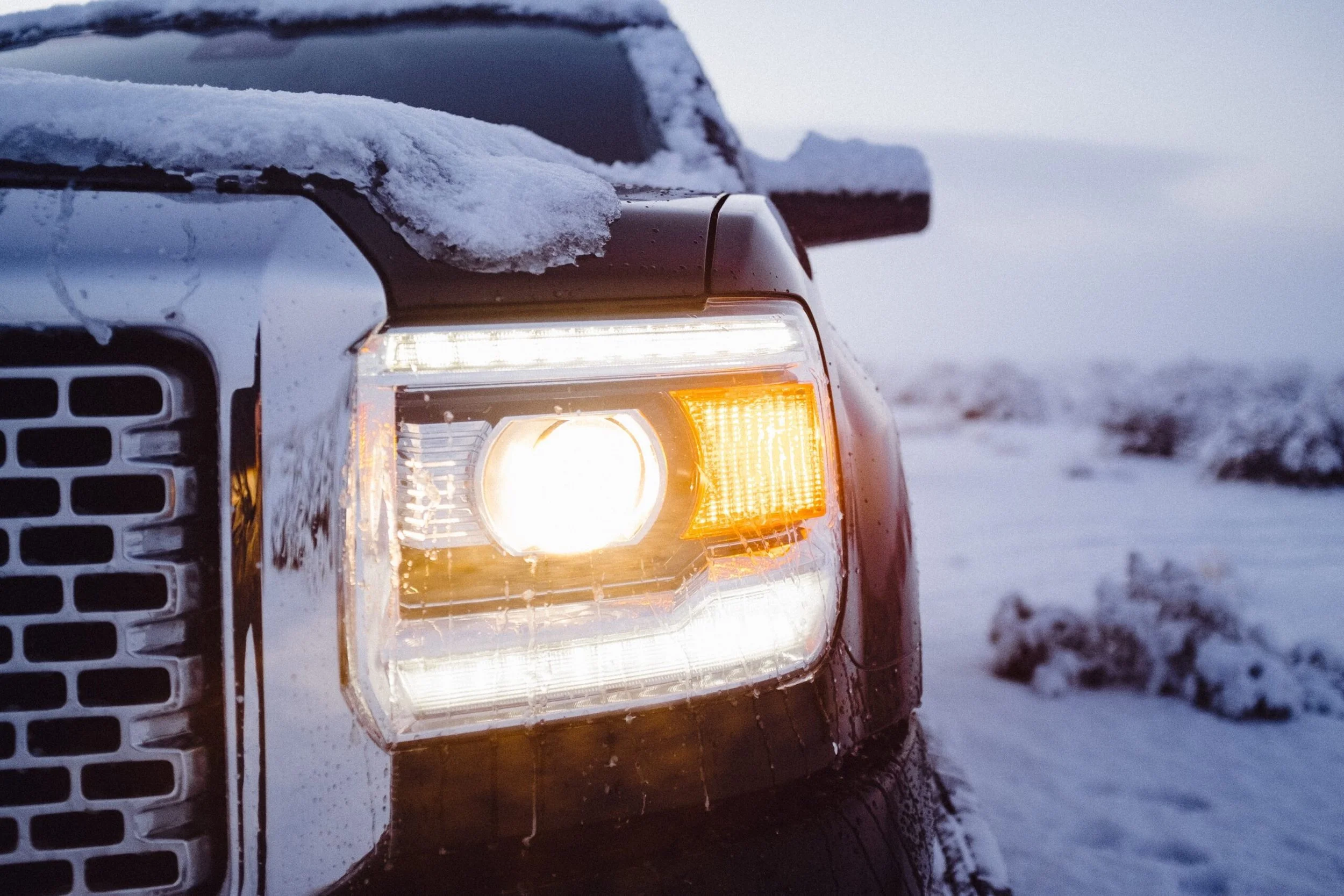
Pro tip: wax your headlights and brake lights too. Keeps snow from sticking so you see and get seen better.
Paint protection film: Protective coatings for high-impact areas like rocker panels, wheel well openings, bumpers, and hood leading edges – anywhere road spray hits hardest.
Touch up paint chips: A tiny chip becomes a rust factory once salt gets in. Match your paint code, clean the chip, apply thin layers. Not pretty up close, but it stops rust cold.
Professional detailing: Our technicians get wax and sealant into tight spaces – door jambs, drip rails, trim edges – that most car owners miss. Pre-winter detailing is more valuable than any other time of year.
Wash Frequently During Winter
Frequent car washes are your best weapon. Every two weeks minimum. After heavy salt events? Don't wait.
Self-service bays: Best option. You control the wand and can blast the undercarriage and wheel wells. But many use reclaimed water that can contain salt traces in winter months. A final rinse with fresh water is critical.
Automatic washes: Convenient but hit-or-miss on undercarriage coverage.
Touchless washes: Better than nothing, but they lack the action to remove caked-on salt from hard-to-reach spots.
Whatever method: avoid stiff brushes or dirty towels that scratch clearcoat. Never use a sharp ice scraper on painted surfaces. Even a small scratch opens the door to salt penetration.
Don't Ignore Trim and Wheels
Chrome, aluminum, and polished metal trim need attention too. What looks like water spots often hides corrosion. Bumpers and wheels take the worst salt spray beating. Protecting these surfaces now is way cheaper than restoring pitted chrome later.
Spring Cleanup
Come March, rewax your vehicle. Warm temps plus wet roads plus lingering salt residue equals prime corrosion conditions. Get a thorough undercarriage cleaning. Winter's coating of chemicals, salt, and sand needs to come off completely.
The Dangers Nobody Warns You About
The Warm Garage Myth
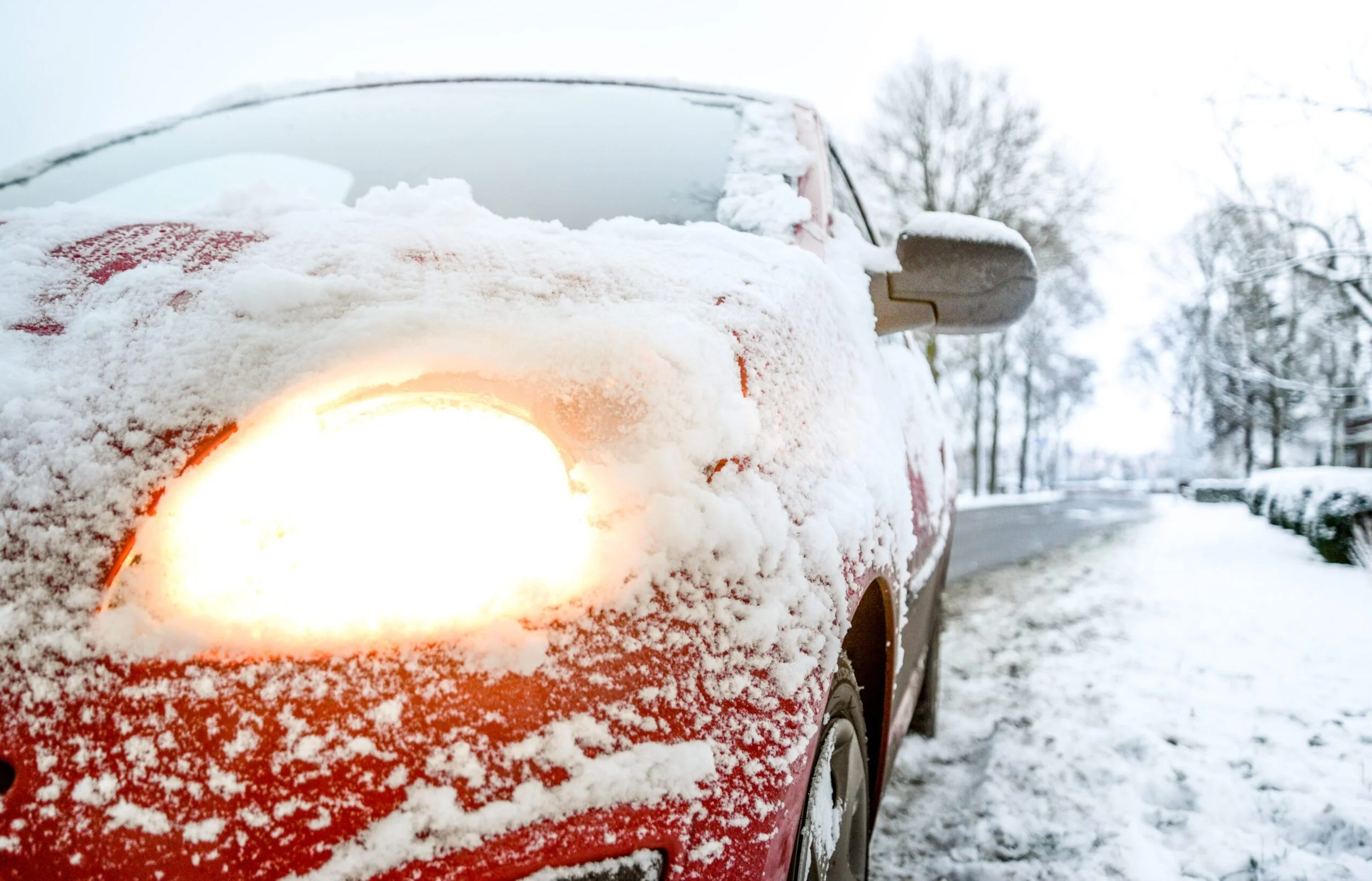
Parking in a warm garage where sludge and ice melt off feels safe, right? Not completely. The temperature change causes condensation on body surfaces. Frozen salt melts into salty water sitting on your paint in a warm, humid environment. The wet-dry-wet cycle can actually speed up corrosion if you're not washing salt off first.
The Leaf Problem
Early season snow around Sun Prairie and Waunakee is often followed by warmer days. No visible snow doesn't mean salt residue isn't at work. And wet leaves on your vehicle? They trap heat and moisture against the paint, giving salt a place to "cook" your clearcoat. Clear them off fast – especially inside wheel wells.
Salt Damage Repair: When Prevention Wasn't Enough
Already have rust? Not all salt damage is beyond repair.
Surface rust: Sand it down, treat with rust converter, prime, repaint. Caught early, it's manageable.
Bubbling paint: The rust underneath is always 2-3 times larger than the visible bubbles. Needs thorough rust removal and refinishing.
Undercarriage damage: Brake lines, exhaust system, and suspension parts can be replaced as they go. Saltwater damage to cars shows up here first.
Structural rust: Frame rails, rocker panels, floor pans. Costly repairs that may not make financial sense. The $3,000 rule applies here – if rust repair costs more than the vehicle's value, you're better off putting that money toward a replacement.
Annual Inspection
Spring is ideal. Get under the vehicle with a flashlight. Check frame rails, suspension mounts, and anywhere salt buildup accumulates. Surface rust looks orange and flaky. Structural rust is dark brown and crumbly. Look for bubbling paint on lower panels and inside wheel wells – ground zero for salt damage to cars.
Auto Color: Madison's Road Salt Protection and Repair Experts
Protecting and restoring vehicles from road salt damage is an Auto Color specialty. We see what Wisconsin winters do to cars every day. We know what works to prevent salt damage and how to fix it when prevention wasn't enough.
Our experienced technicians handle everything from pre-winter detailing and protective coatings to complete salt damage repair and refinishing. Whether your car needs a wax treatment or serious rust repair, we'll give you an honest evaluation.
Serving Madison WI including Middleton, Waunakee, Sun Prairie, Fitchburg, McFarland, and all of Dane County:
Visit our Madison area locations:
Call Auto Color today for professional detailing or a salt damage repair estimate. Protect your investment before another Wisconsin winter takes its toll.
Professional auto body services including collision repair, painting, and complete detailing – inside and out. Honest evaluations, quality work, and service you can trust since 1991.
