
Winter Driving Safety Tips: How to Drive Safely in Snow & Ice
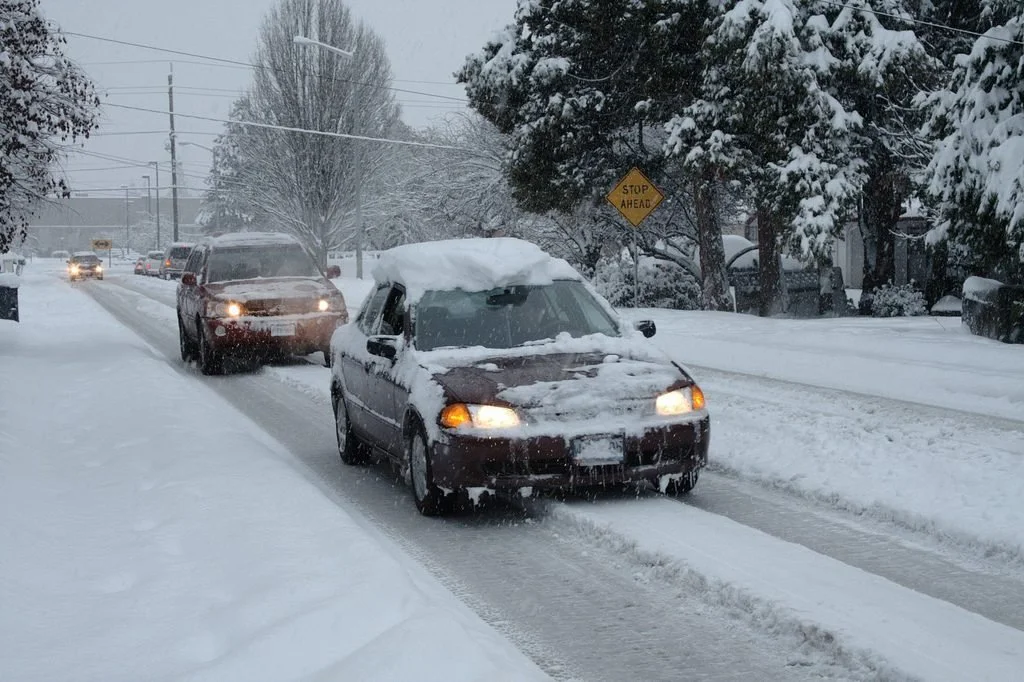
Just the thought of winter driving sends a shiver through Madison WI motorists. Winter storms, drifting snow, sloppy roads, and ice contribute to nearly one million crashes each winter, according to the AAA Foundation for Traffic Safety. Slick winter road conditions combined with rushed driving habits lead to fender benders, collisions, and auto body repairs all across southern Wisconsin.
The good news? Most winter accidents are avoidable. A little preparation and a few smart habits behind the wheel go a long way toward keeping you, your passengers, and your vehicle out of harm's way. Here's how to drive safely in snow and ice this season; and how to keep a bad-weather commute from turning into a repair bill.
Common Winter Driving Damage
Most wintertime accidents around Madison are the fender-bender variety; slow-speed slides on streets and in parking lots. But don't get overconfident. AAA reports more than 100,000 serious injuries every winter from cold-weather crashes. When it comes to the damage that sends drivers into the shop, take your pick:
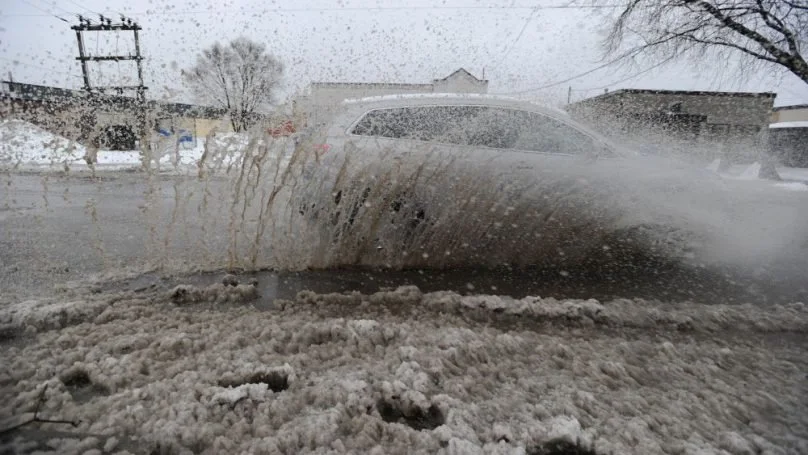
Salt, sand, and grit: Splashed up from the roads and lodged in cracks and crevices where it leads to rust and corrosion. Loose gravel chips paint and cracks headlights and windshields.
Dings and dents: Parking lots are prime territory for winter fender benders. It's easy to slide on a poorly plowed lot, right? Speeds are usually low, so the collisions rarely keep you from driving; but don't put minor damage off too long. Every chip and crack opens your vehicle's surfaces to the corrosives coating winter roads. Saving on a small repair today is an invitation to a bigger repair bill down the line.
Bumper and fender damage: Rear-end collisions are among the most common winter crashes. Slippery roads make stopping harder, and sliding into the vehicle ahead at a stoplight or turn lane is a real threat. Damage ranges from scratched paint to genuine structural concerns.
Prepare Your Car for Winter
Being winter-ready starts in your driveway, not on the road. If you know your car, truck, or SUV has issues, get them handled before the worst weather arrives; and any auto body repair you've been putting off should get done before the ice-melting corrosives spread far and wide.
Winter Tires and Snow Chains
Tires are where your safety literally meets the road. Most drivers no longer swap to dedicated snow tires the way their grandparents did, but the tradeoffs are worth knowing:
Winter tires use softer rubber compounds and aggressive tread that grip snow-covered roads and icy pavement far better than anything else. If you regularly drive in heavy snow, they're the gold standard for traction.
All-season tires are the compromise most Wisconsin drivers run. They're fine for light-to-moderate winter conditions, but their traction drops off sharply once temperatures plunge and snow piles up.
Snow chains are rarely needed around Madison, but they exist for extreme conditions and steep terrain.
Whatever you run, tread depth matters. Bald tires and snow are a dangerous mix. And don't overlook tire pressure; cold temperatures cause the air in your tires to contract, so pressure drops as the mercury falls. Check it regularly through the winter and keep it at the manufacturer's recommended level. Underinflated tires hurt both traction and handling.
Wipers, Washer Fluid, and Lights
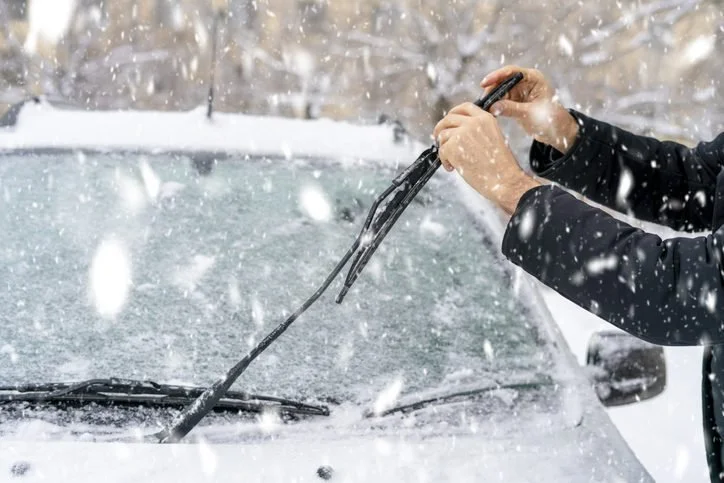
Visibility keeps you safe, so the systems that protect it deserve attention:
Wiper blades: If your wipers streak or clean unevenly, replace them. Check for cracked or loose strips of rubber; they come apart fast in the cold. Driving an SUV? Check the rear-window wiper too; it's easy to forget and it matters in traffic.
Washer fluid: Keep the reservoir full and use fluid rated for the lowest temperatures Madison will throw at you. Keep the nozzles clear of ice and debris.
Headlights: Fewer daylight hours mean you'll rely on your headlights more than any other season. Make sure they're clean, bright, and aimed properly so other drivers can see you coming.
Build a Winter Emergency Kit
Even careful drivers get stranded. A basic winter emergency kit in your trunk can turn a scary situation into a manageable one. Pack an ice scraper and snow brush, a small shovel, jumper cables, a flashlight, a blanket, gloves and a hat, sand or kitty litter for traction under stuck tires, a phone charger, and some snacks and water. It takes ten minutes to assemble and you'll be glad it's there.
How to Drive in Snow
Once the snow flies, how you drive matters as much as how you prepared. The single biggest theme? Smooth and slow. Every input; the accelerator, the brake, the steering wheel; should be gentle and gradual. Sudden moves break traction, and broken traction is how you end up in a ditch or a bumper.
Ease onto the accelerator: Accelerate slowly to keep your wheels from spinning. Gentle throttle is how you find grip on a snowy start.
Slow down: When conditions deteriorate, reduce your speed to keep the vehicle under control. That doesn't mean crawl; going too slow can cause as much trouble as going too fast; it means match your speed to the conditions.
Skip cruise control: Never use cruise control on snowy or icy roads. You want full control of your speed at all times.
Look ahead: Give yourself time to react by looking well down the road. The earlier you see trouble, the smoother your response can be.
Braking and Following Distance
Braking is where a lot of winter crashes happen. You simply cannot stop as quickly on a slick road as you can on dry pavement, so give yourself room; leave far more following distance than usual between you and the vehicle ahead.
Most vehicles on the road today have anti-lock brakes (ABS). In a hard stop on ice, ABS pumps the brakes for you; you'll feel the brake pedal pulsing and hear a grinding noise. That's normal. Don't panic and don't lift off. Apply firm, steady pressure and let the system do its job; keep your eyes on where you want to go, not on the obstacle. If your vehicle doesn't have ABS, use threshold braking; apply firm pressure just short of locking the wheels, easing off slightly if they start to skid.
Driving Safely on Icy Roads
Ice is the winter driver's toughest opponent, because you often can't see it. When temperatures fall, even wet roads get harder to navigate; below freezing, the road surface itself changes. Add snow, sleet, or freezing rain and things get dangerous fast.
The sneakiest threat is black ice; basically a thin, invisible layer of frost on the pavement that you can't see or anticipate. Around Madison it loves the shady spots on streets that winter sunshine has otherwise warmed; under overpasses, on bridges, in tree-lined stretches. Bridges and overpasses freeze first because cold air circulates above and below them, so treat them with extra caution.
What do driving instructors, automakers, and tow-truck operators all agree is the safest way to handle truly icy roads? Stay home. Easier said than done, of course; but when you do have to go, slow way down, keep your movements smooth, and give other drivers plenty of space. Assume the road is more slippery than it looks.
Recovering From a Skid
Even when you do everything right, a skid can happen. Knowing how to respond; before you're in one; is one of the most valuable winter driving skills there is. The instinct to slam the brakes and yank the wheel is exactly wrong. Here's what to do instead.
What to Do if You Start Skidding
Stay calm and ease off the accelerator. The first move is always to lift gently off the gas; not stomp the brake.
Steer where you want to go. Look and steer toward the direction you want the front of the car to travel. Keep your steering smooth; a straight line to your target, not a frantic jerk.
Know your skid:
In a rear-wheel skid (the back end slides out), steer in the same direction the rear is sliding; often called "steering into the skid"; then gently straighten out as you regain grip.
In a front-wheel skid (the front pushes wide and won't turn), ease off the gas, avoid braking hard, and wait for the front tires to find traction before steering again.
Don't overcorrect. Once you catch the skid, straighten the wheel smoothly. Yanking it the other way is how a single skid becomes a spinout. Gentle, deliberate corrections win every time.
The best skid is the one you never have; and smooth inputs, lower speeds, and good tires prevent the vast majority of them.
You're Never Safe If You Cannot See
Winter throws more at your visibility than any other season; sleet, freezing rain, snow, ice, and early darkness all working against you. Snow banks grow taller and taller, so even with a clear windshield you can't always see what's around the next bend, whether you're on a highway, a city street, or a parking lot. There's plenty working against you already; don't make it worse:
Clear ALL the snow off your car. There's no excuse for creeping along, peering through a hand-sized porthole in the windshield. Five minutes with a scraper beats an hour filling out a police report, right? Clear the back window and mirrors too; and don't forget the roof. A slab of snow on the roof will slide down onto your windshield or rear glass at the worst possible moment, and it can blind the driver behind you when it flies off.
Wipers are not scrapers. Don't lean on your windshield wipers to clear heavy snow or ice. Use the right tool and save the blades.
See and be seen. Turn your headlights on in any low-visibility conditions so other drivers can spot you, even in daytime snow.
We're Here If Winter Driving Leads to Auto Body Repair
Do everything right and you'll dodge most winter trouble; but sometimes the other driver doesn't, or black ice makes the call for you. When a trip on local roads turns into a dent, a scrape, or a full collision repair, Auto Color's experienced body shop professionals are ready to make it right.
From a pre-winter wash and wax that protects your paint to mid-season paintless dent repair and collision work, we apply the latest technology at every level. Even the little things matter when it comes to your car, truck, or SUV.
Serving Middleton, Waunakee, Sun Prairie, Verona, Fitchburg, McFarland, Monona, Cottage Grove, DeForest, and all of Dane County.
Call Auto Color today for a pre-winter check-up or a repair estimate. Drive safely out there; and when winter gets the better of your bumper, we've got you covered.
Professional auto body services including collision repair, paintless dent repair, painting, and complete detailing. Honest evaluations, quality work, and service you can trust since 1991.
