
Fender Bender Fix: What to Do After Minor Collisions in Madison
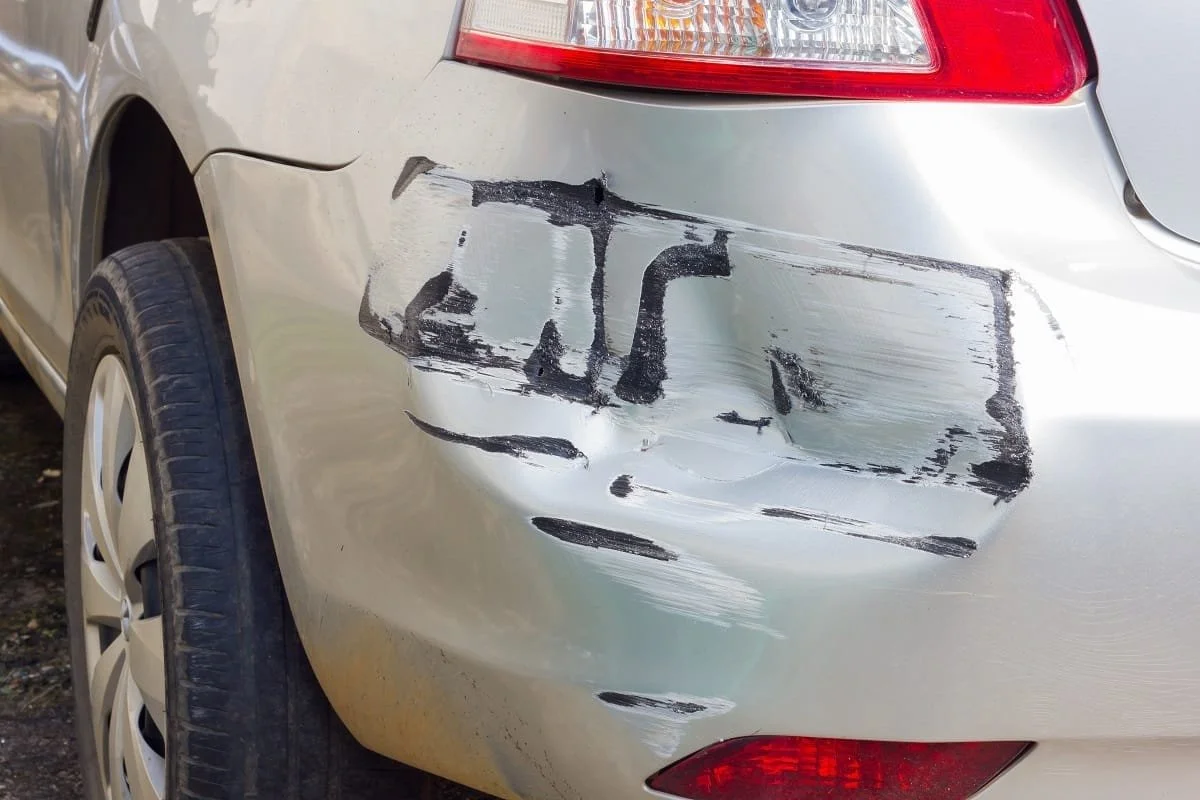
Ice and snow keep body shop technicians busy this time of year handling all kinds of fender bender crashes. Slipping and sliding on Madison WI streets results in dozens of little fender benders after every fresh snowfall.
The results are often more stressful than damaging, but prompt attention to even minor collisions matters. Here's why.
Immediate attention to every ding, dent and scratch minimizes long-term damage. Large, prominent dents get repaired quickly – they're too obvious to ignore, aren't they?
But minor dents, slight dings, and door knocks? Those are easier to put off. Especially if your car, truck or SUV has a few years on it. "I'll get to it eventually" is what we hear constantly at our Middleton and Madison shops.
Unfortunately, putting off that appointment with your auto body repair specialist can compromise your vehicle's body and paint integrity. There are processes at work deep beneath that scratch or minor blemish. A dent in metal work is never unimportant, no matter how small.
What Counts as a Fender Bender?
The term "fender bender" refers to minor collisions, typically involving bumpers, but also side impacts, door dings, or low-speed scrapes.
Common fender bender scenarios around Sun Prairie, Waunakee, and Madison:
Backing into a pole in a parking lot
Tapping the car ahead at a stoplight
Someone backing into you while you're parked
Shopping cart impacts
Minor slide-offs in winter conditions
Door dings from adjacent parked vehicles
These incidents typically happen at low speeds – under 10 mph. The damage looks minor. Maybe just paint transfer or a small dent. You exchange info with the other driver (if there is one), assess the damage, and drive away.
So what now?
What to Do in a Fender Bender With No Damage
First, let's talk about fender benders where there's truly no visible damage – not even a scratch.
Check carefully: Walk around both vehicles. Look at paint, bumper covers, lights, trim. Get down low and check from different angles. Sometimes damage that looks nonexistent in direct light shows up when you change your viewing angle.
Take photos anyway: Even if you see nothing, take photos of both vehicles from multiple angles. Get the other car's plate, the exact location, and any relevant details. You'd be surprised how often "no damage" turns into "wait, there's actually a crack" once you're home and can inspect in better light.
Exchange information: Even with no apparent damage, exchange insurance info and contact details. This protects you if the other party discovers damage later and makes a claim.
Document everything: Write down what happened, weather conditions, road conditions, time of day. Memory fades fast.
Check again in daylight: If the fender bender happened at night or in a parking garage, reinspect your vehicle in full daylight. Some damage – especially cracks in plastic bumper covers – is nearly invisible in poor lighting.
If there's genuinely no damage after thorough inspection? You dodged a bullet. But stay alert for any issues that develop over the next few days, especially with bumper mounts or alignment.
Ding vs Dent: Does It Matter?
Is a "dent" worse than a "ding?" Most vehicle owners don't make much distinction. The terms seem interchangeable, right? To drivers, maybe. To body shop pros, there are real differences:
Dings: Slight damage usually limited to about half an inch in diameter. Very little paint damage and no exposed metal where rust can start. Think door dings from parking lots, small hail impacts, or minor bumps.
Dents: Larger, more extensive damage where paint likely needs repair and entire panels might need work or replacement. Could be palm-sized or bigger. Usually involves paint cracks or chips.
The true definition comes down to size and repair complexity. Dents are bigger and cost more to fix.
Minor blemishes, often dismissed as cosmetic, have drivers attempting DIY fixes. Improper techniques have consequences affecting long-term performance, appearance, and vehicle value. We've seen some truly creative (and disastrous) home repair attempts over the years.
Large dents get immediate action when they reduce a vehicle's ability to function safely. Getting those repairs requires no thought. But fixing smaller problems before they get bigger? Just as important.
Why Small Fender Benders Need Prompt Attention
Here's the deal: that little fender bender you're planning to "deal with later" is actively getting worse. Not dramatically. Not overnight. But consistently.
Rust and Corrosion
Dents aren't just unsightly – they open bodywork to serious damage beneath the surface. Cracks in paint and clearcoat, left untreated, allow water to seep right to unprotected metal. The metal slowly oxidizes.
A little dent grows into a small rust spot. Give it a Wisconsin winter with road salt? That small rust spot becomes a structural problem. Rust is the number one enemy of metal car parts, and it's patient. It'll wait.
Long-Term Paint Damage
Auto body paint faces constant stress from sun exposure, repeated washing, road salts, and flying debris. As a vehicle ages, paint and clearcoat cracks widen and go deeper. Paint chips, flakes, and peels right down to bare metal.
Once bare metal is exposed, it's only a matter of time before rust and corrosion attack. What started as minor paint damage from a small fender bender becomes an expensive refinishing job.
Hidden Structural Issues
Even small impacts can hide serious structural damage beneath the surface. Modern vehicles have flexible bumper covers designed to absorb impact and may show little visible damage. Beneath that cover? Could be crushed foam, damaged mounting brackets, or compromised crash sensors.
This is especially true with newer vehicles equipped with collision avoidance sensors, parking sensors, and cameras integrated into bumpers. A minor fender bender that cracks the bumper cover might also knock these sensors out of alignment. Your car might look fine but safety systems could be compromised.
How to Fix a Fender Bender: Your Options
So you've got damage from a little fender bender. What are your options for fender bender fix?
Option 1: DIY Repair
For very minor damage – paint transfer, light scratches that don't penetrate the clearcoat – DIY might work.
What you can handle yourself:
Cleaning paint transfer off with rubbing compound
Touching up tiny paint chips with a paint pen
Buffing out light scratches in clearcoat
Applying wax to protect affected area
What you can't (or shouldn't) handle yourself:
Actual dents that have deformed metal or plastic
Paint damage through to primer or metal
Cracks in bumper covers
Any damage affecting lights, sensors, or mounting points
There are YouTube videos showing people using plungers, hot water, or dry ice to pop out dents. Sometimes these work on very specific types of dents in very specific locations. Most times? You make it worse or add new damage. We've repaired plenty of DIY attempts that turned a $200 job into an $800 job.
Option 2: Paintless Dent Repair (PDR)
For small to medium dents with no paint damage, paintless dent repair is usually the best option. This is a specialized technique where technicians use metal rods and tools to massage the dent out from behind the panel.
Best for:
Door dings
Hail damage
Minor collision dents that haven't cracked paint
Small creases in body panels
Benefits:
Much cheaper than traditional repair
Usually completed in a few hours
Maintains original factory paint
No color matching issues
Limitations:
Only works when paint is intact
Can't fix large dents or sharp creases
Not effective on plastic parts
Requires access to the back of the panel
Paintless dent repair is clean, quick, and cost-efficient. It's perfect for those small fender bender situations where the metal got pushed in but the paint didn't crack.
Option 3: Traditional Body Work and Paint
For damage involving paint cracks, exposed metal, or structural concerns, traditional body work is necessary.
This includes:
Assessing structural integrity
Pulling or replacing damaged panels
Rust treatment if corrosion has started
Body filler application if needed
Primer application
Color-matched paint application
Clearcoat and final finishing
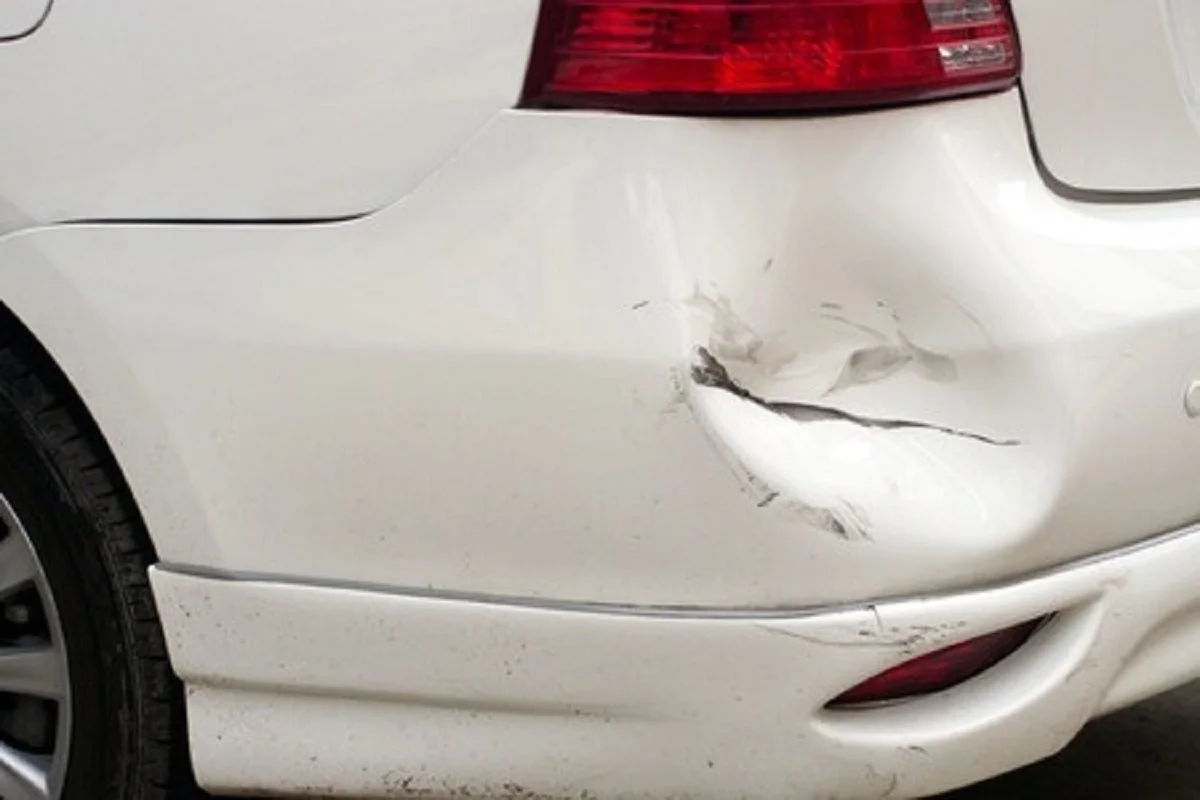
This is more involved and costs more, but it's the only way to properly fix a fender bender with paint damage or deeper structural issues.
Fender Bender Cost to Fix: What to Expect
Everyone wants to know: what's this going to cost me?
Honest answer? It depends on the extent of damage. But here are realistic ranges for the Madison area:
Minor paint repair (scuffs, scratches): $150-$400
Paintless dent repair:
Small door ding: $75-$150
Medium dent: $150-$300
Multiple dents: $300-$800
Bumper repair:
Minor scuff repair and paint: $300-$500
Moderate damage with minor cracks: $500-$800
Significant damage requiring replacement: $800-$1,500
Panel repair and repaint:
Quarter panel: $500-$1,200
Door: $400-$900
Fender: $500-$1,000
Hood: $600-$1,200
Full bumper replacement and paint: $1,200-$2,500 (varies significantly by vehicle)
What drives these costs?
Labor: Body work and painting is skilled, time-intensive work. You're paying for expertise, not just time.
Paint: Quality automotive paint matched to your specific color isn't cheap. Metallic and pearl finishes cost more than solid colors.
Parts: OEM bumper covers and panels cost more than aftermarket, but fit better and match better.
Prep work: Proper surface preparation takes time. Rush it and the paint job fails within months.
The good news? Many small fender benders fall into that $200-$500 range where paintless dent repair or minor paint work handles it without major expense.
Insurance vs Out-of-Pocket for Small Fender Benders
Should you file an insurance claim for a little fender bender? That's the calculation everyone wrestles with.
Consider your deductible: If your collision deductible is $500 and the repair estimate is $600, you're only getting $100 from insurance. Meanwhile, you're reporting a claim that could affect your rates.
Rate increases: Even if you're not at fault, some insurance companies raise rates after claims. Check your policy and your company's claim history practices.
The at-fault rule: If you were at fault, expect rate increases. How much depends on your insurance company, your driving history, and state regulations.
The $1,000 rule of thumb: If damage is under $1,000 and you were at fault, paying out of pocket often makes more financial sense than filing a claim and dealing with rate increases over the next 3-5 years.
Not at fault: If someone else hit you and you have their insurance info, file through their insurance. This doesn't affect your rates.
Get an estimate before deciding. We provide free estimates at both our Madison-area locations. Once you know the actual repair cost, you can make an informed decision about insurance versus out-of-pocket.
When to Get Professional Help for Fender Repair Madison
Look, some people are handy with cars. But body work and paint matching? That's specialized stuff.
Definitely see a professional if:
You can see metal or primer through paint damage
The dent is larger than a golf ball
There's any crack or split in body panels or bumper covers
Lights, sensors, or trim are damaged
The impact was hard enough to move the bumper or panel
There's any question about structural damage
Your vehicle is less than 5 years old (protect that resale value)
Maybe try DIY if:
It's literally just paint transfer with zero dent
The scratch only goes through clearcoat (you can't feel it with your fingernail)
You have experience with automotive work
You're okay with "acceptable" rather than "perfect" results
When in doubt, get it checked out. A free estimate costs you nothing and gives you actual information to work with instead of guessing.
How to Fix Fender Bender: The Professional Process
Curious what actually happens when you bring your vehicle in for fender bender fix?
Step 1: Assessment We inspect the damage – both visible and potential hidden damage. Check mounting points, sensors, alignment, structural components. Sometimes minor visible damage hides bigger issues underneath.
Step 2: Estimate Detailed written estimate covering all necessary repairs. We break down parts, labor, and explain what we're doing and why. You get photos of the damage for your records.
Step 3: Insurance coordination (if applicable) We work directly with your insurance company. Handle the photos, documentation, and approval process. You don't have to be the middleman.
Step 4: Repair Could be paintless dent repair if possible, or traditional body work if needed. Depends on the damage. We'll use the least invasive method that delivers quality results.
Step 5: Paint and finish (if needed) Color matching to your vehicle's exact shade, accounting for fade and weathering. Multiple paint and clearcoat layers properly cured. Final buff and polish.
Step 6: Quality inspection Before we call it done, the work gets inspected. Paint match, body lines, gaps, operation of any affected parts. Has to meet our standards before you see it.
Timeline? Paintless dent repair might be same-day. Traditional body work with paint typically takes 2-5 days depending on parts availability and extent of damage.
Additional Reasons for Timely Fender Bender Repair
Beyond preventing rust and paint damage, there are practical reasons to fix that little fender bender sooner rather than later:
Repair costs increase with time: Fixing small dings and dents now is almost always cheaper than repairing rust or extensive paint damage later. If you wait until winter road salt seeps in, the repair gets more complicated – and the price tag higher.
Resale value: A car, truck or SUV that looks good has higher resale value. While mechanical performance is vital, keeping up appearances matters too. If your ride looks good, you feel good driving it. It comes down to pride of ownership.
Peace of mind: Every time you see that dent, it bugs you a little. Get it fixed and move on with your life.
Prevents bigger problems: Small issues have a way of becoming big issues if ignored long enough. Metal that's dented is more susceptible to cracking. Paint that's chipped lets moisture in. Better to handle it now.
Auto Color: Your Madison Fender Repair Experts
Minor dent repair and restoring vehicle paint, clearcoat, and trim is an Auto Color specialty. We handle everything from tiny door dings to significant collision damage.
Whether you're dealing with a small fender bender in a parking lot or more substantial damage from winter driving conditions, we've got the tools and experience to fix it right.
Serving the greater Madison area including Middleton, Waunakee, Sun Prairie, and all of Dane County with professional fender bender fix services:
Call Auto Color today for a free estimate on your fender bender repair. We'll assess the damage, explain your options, provide transparent pricing, and help you decide the best approach for your situation and budget.
Put our skilled professionals to work on your car, truck or SUV whenever you need fender repair in Madison WI. We'll make it look like that fender bender never happened.
Professional auto body services including collision repair, paintless dent repair, bumper repair, and complete paint refinishing. Honest estimates, quality work, and service you can trust.
