
How Winter Weather Damages Vehicle Paint
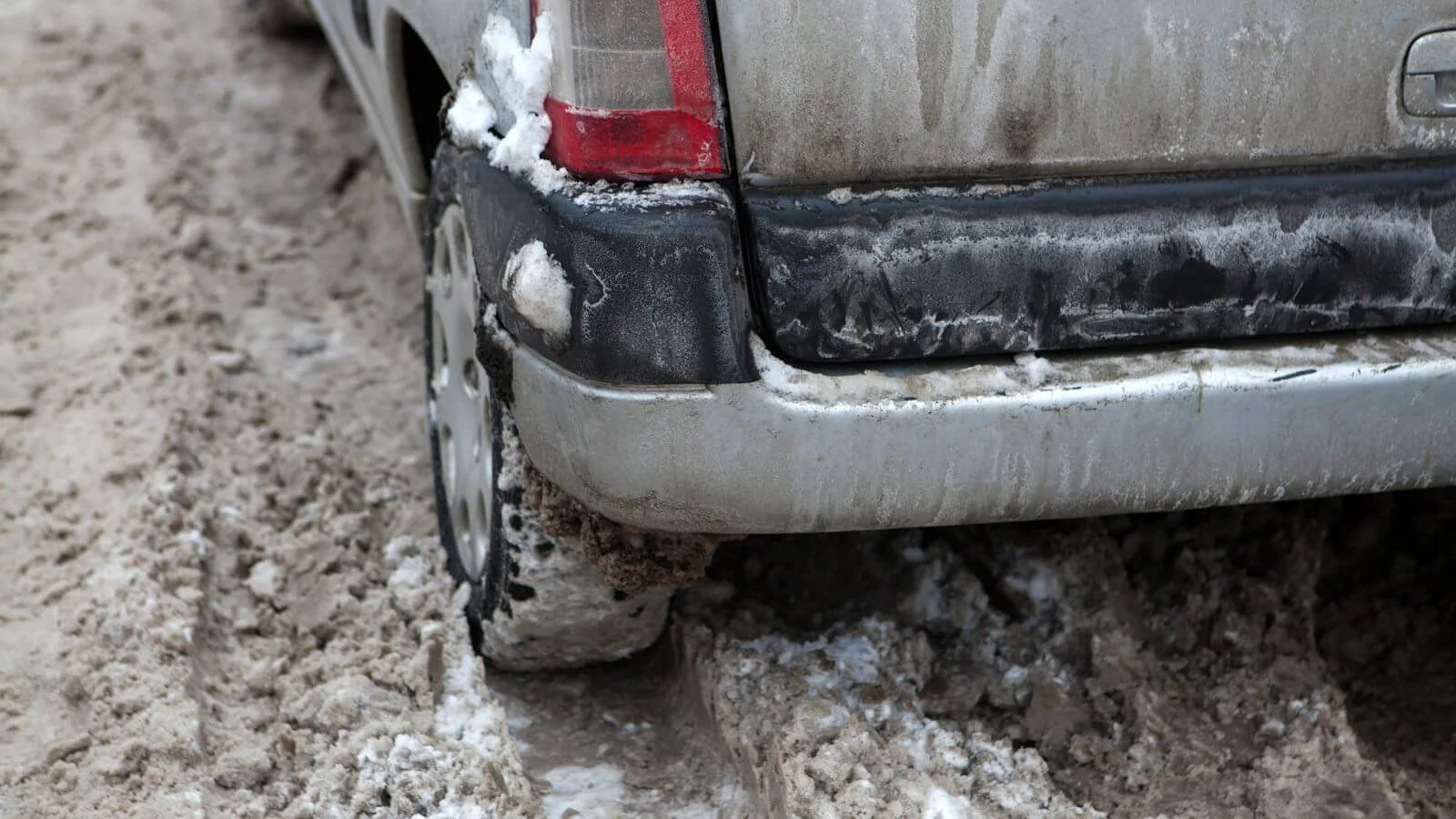
Cold weather is tough on vehicles, especially on paint and clear coat. Snow, ice, road salt, and daily wear during Wisconsin winters all add up—sometimes slowly, sometimes all at once. While there are steps you can take to minimize winter car damage, the reality is that DIY fixes can only go so far. When paint is chipped, scratched, bubbling, or showing signs of corrosion, a visit to a qualified auto body shop is the long-lasting solution.
Below, we break down how winter weather affects auto paint, common mistakes to avoid, and simple ways to protect your vehicle all season long.
Why Winter Is So Hard on Auto Paint
Winter introduces three major paint-damaging elements:
Snow
Ice
Road salt, sand, and grit
On their own, snow and ice don’t seem extreme. But the ways people remove them, combined with the abrasiveness of winter chemicals, have a much bigger impact than most drivers realize. If you’re wondering
“Does snow damage car paint? Can ice scratch your car? Does frost damage car paint?”
—the answer depends almost entirely on how you clear and clean your vehicle.
In southern Wisconsin, road salt is unavoidable. But you can still limit the damage with the right habits.
Tips to Avoid Vehicle Paint Damage in Winter
1. Snow Removal: Use the Right Tools (and Techniques)
Snow may look harmless, but improper removal is one of the most common causes of winter paint scratches. Thick brushes, stiff bristles, and plastic or metal edges act like sandpaper—especially in freezing temperatures when paint is more brittle.
What NOT to Use
Snow shovels (metal or plastic)
Ice scrapers on painted surfaces
Stiff-bristle snow brushes
Even flipping a shovel over to “gently” push snow is a major risk. These tools are designed to scrape concrete—not car paint—and one wrong move can leave deep scratches, gouges, or chips. If your vehicle already has a weak spot or rust speck, the damage will spread even faster.
Also remember: as you shovel around your parked vehicle, a single slip can ding a door or scratch a panel.
What TO Use
Foam snow brooms
Soft rubber-edged tools
Your hands or gloved arms for delicate areas
Fresh, powdery snow comes off easily, so the gentler the method, the better. If you’ve ever asked “Can snow damage car paint?”—the snow itself isn’t the danger; the removal method is.
2. Ice Removal: Avoid Aggressive Scraping at All Costs
A thin layer of ice is far more damaging than snow, especially if you accidentally scrape the paint. Many drivers wonder: “Can ice scratch your car?” “Does ice damage car paint?” “Does ice scratch car paint?” The answer is yes—if you try to remove it incorrectly.
Never Use a Windshield Scraper on Paint
These tools are built to dig down and break ice. They’re essential for glass but much too harsh for painted surfaces.
Avoid Hot Water
Pouring hot water on your vehicle may melt ice quickly but creates several problems:
Rapid temperature change can crack cold glass.
Water can refreeze immediately, creating slipping hazards.
If water gets into an existing chip, it can freeze, expand, and cause paint bubbling, cracking, or flaking.
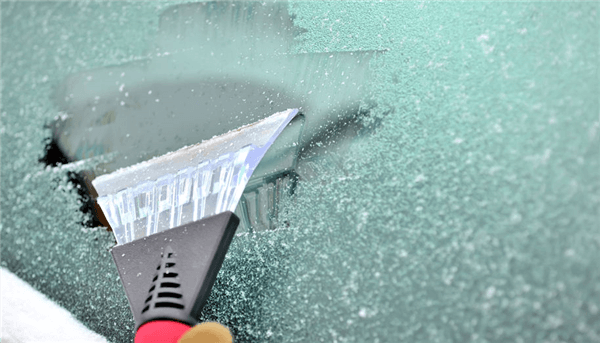
Safer Ways to Remove Ice
Let the vehicle run and warm up to loosen frozen sheets naturally.
Use an auto-safe deicer spray made for paint.
Lift large ice sections gently with your hands—never force them.
Even pushing a large slab of ice off a roof or trunk can leave thousands of micro-scratches, especially when salt or grit is frozen onto the surface.
3. Road Salt: The #1 Cause of Winter Paint Damage
Road salt is designed to keep highways drivable—but it’s extremely harsh on metal and paint. If you’re wondering, “Is snow bad for car paint, or is salt the real issue?” salt is almost always the culprit behind winter corrosion.
Why Road Salt Is So Damaging
It’s abrasive—rubbing salted surfaces acts like rubbing the car with sand.
It accelerates rust, especially in existing chips or scratches.
It cakes onto wheel wells, rocker panels, and lower doors—areas already vulnerable to corrosion.
It clings to paint until washed away fully.
Safe Ways to Remove Road Salt
Never wipe salt off with a rag, sponge, or brush before rinsing. This grinds sharp crystals into the paint and causes scratches. Instead:
Rinse thoroughly first—the goal is to float the salt off, not rub it in.
Use warm (not hot) water if washing at home.
Choose a touchless (brushless) car wash if using an automated system.
Brush-based carwashes can drag grit and salt from the previous vehicle onto yours.
Pro Tip: Winter Wax = More Protection
Applying a durable, high-quality wax or ceramic coating before winter creates a protective barrier that helps paint resist salt, snow, and ice. Many drivers search for “best car wax for winter protection” for this exact reason.
4. Reduce Winter Damage With Regular Cleaning
The cleaner a vehicle stays, the better protected the paint remains. Even washing every 2–3 weeks during winter can make a huge difference.
Try to wash your car:
After major snow events
After driving on heavily salted highways
When temperatures rise above freezing for safer drying
Don’t forget the undercarriage—salt buildup underneath accelerates rust from the bottom up.
5. When to Visit a Body Shop
Even with excellent winter car protection habits, most vehicles pick up some degree of wear by spring. Tiny chips, small scratches, or bubbling clear coat are normal after months of harsh conditions.
You should consider a professional evaluation if you notice:
Scratches you can feel with your fingernail
Paint starting to lift, crack, or bubble
Visible rust spots or discoloration
Deep gouges from ice or snow removal
Dull or chalky-looking clear coat
Professional refinishing ensures:
Damaged paint is removed—not just covered
Corrosion is halted before it spreads
New paint matches perfectly
Clear coat is restored for long-term protection
DIY options can temporarily improve appearance, but they rarely provide lasting protection and often fail to stop corrosion beneath the surface.
Final Thoughts: Protecting Your Vehicle All Winter Long
Winter weather—especially in Wisconsin—can take a serious toll on your vehicle’s paint. But with the right tools, cleaning habits, and awareness, you can significantly reduce the risk of scratches, chips, and long-term corrosion. Snow and ice don’t have to ruin your paint, and salt doesn’t have to send you to a body shop every spring.
When damage does occur, investing in professional repair and refinishing is the best long-term solution for maintaining your vehicle’s appearance and value.
Auto Color provides a wide range of services to care for and repair your vehicles. Visit either of our two complete auto body repair shop locations in the Madison WI area – West on Parmenter Road in Middleton and East on Stoughton Road. We’re the body shop pros when you want the right solution to your vehicle paint damage problem in the Madison WI area.
