
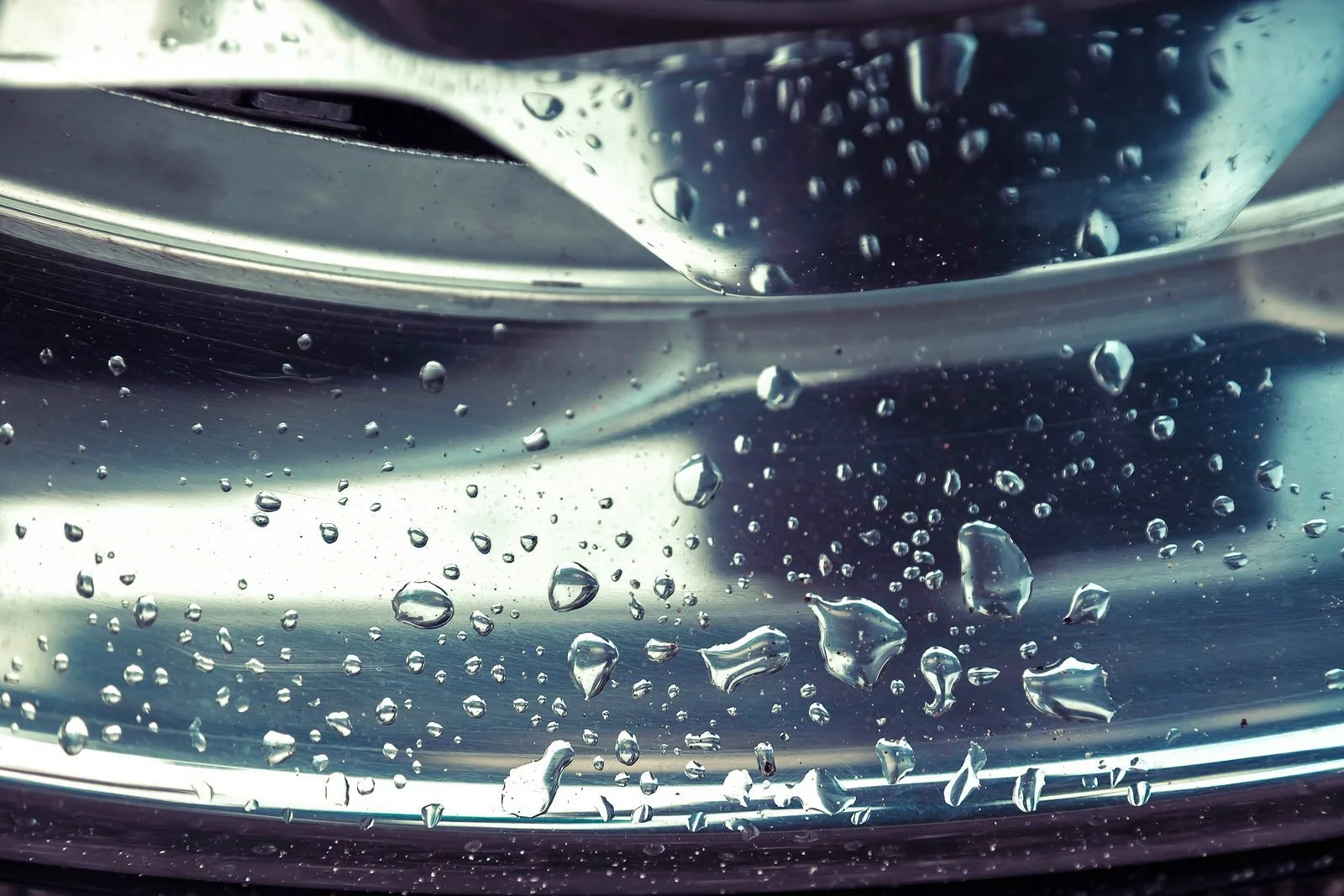
After another year of driving, your vehicle's chrome trim looks worse for wear, right? Road grime, water spots, brake dust – it all takes a toll on the brightwork.
To restore your vehicle's auto chrome trim takes patience, skill, and the right tools. The weather and road conditions in and around Madison WI are not kind to shiny surfaces. Whether it's chrome-plated, polished aluminum, stainless steel, or anodized trim, it all needs attention now and then.
Stains are the number one reason your car's chrome trims need cleaning. Most come from water spots. Water you apply at home is clean and easy to deal with. Water splashed up from Dane County roads or falling from Wisconsin skies? Not so much.
Why Chrome Trim Maintenance Matters
On most cars today, common chromed parts include bumpers, grilles, door handles, window surrounds, and wheels. Bumpers and wheels especially take a beating because they're directly in the line of road debris and spray.
Here's what happens when you let chrome go: road grime builds up. Water spots become mineral deposits. Brake dust bonds to the surface. Small scratches accumulate. Eventually that shiny chrome auto trim turns hazy, pitted, and dull.
Once brightwork gets tarnished or fogged beyond what basic cleaning handles, professional restoration gets expensive. We're talking pH-balanced compounds, machine buffing, and hours of labor. If chrome gets pitted or deeply scratched, making it look new again is difficult and costly.
The takeaway? Protecting chrome trim is way easier and cheaper than restoring it. Regular cleaning chrome trim on car surfaces prevents the kind of damage that requires professional intervention.
How to Clean Chrome Trim on Car: The Basic Wash
The best way to clean chrome trim on cars starts with the simplest approach. Before you reach for any specialty products, start with soap and water.
Here's what you need:
A bucket with warm water and proper car-wash soap. Never dishwashing soap – it strips protective coatings and can cause aluminum and chrome to oxidize. We see this all the time.
A spray bottle with the same soap-water mixture for getting into tight spots around trim edges, badges, and moldings.
A soft, non-abrasive sponge or microfiber wash mitt. Nothing scratchy. Ever.
A soft-bristle toothbrush or detailing brush for getting into the crannies and gaps where a sponge won't reach. This is a pro trick that makes a huge difference. Chrome trim pieces have edges, channels, and mounting points that trap grime.
Microfiber drying cloths or a chamois. Multiple clean ones.
The Washing Process
Rinse the chrome surfaces first with a garden hose to knock off loose dirt and debris. You don't need a pressure washer for trim washing – regular hose pressure works fine and won't force water behind trim pieces where it causes problems later.
Wash each chrome piece with your soapy sponge or mitt, working in small sections. Pay attention to edges where chrome meets paint – grime loves to hide in those seams.
Use your toothbrush or detailing brush around badges, emblems, and anywhere the sponge can't reach properly. Take your time here. These are the spots that look dirty even after a regular wash.
Rinse thoroughly. Leftover soap residue attracts dirt and can cause water spots.
Now here's the critical part that most people skip: dry everything immediately. Don't let the car air-dry in the sun. Use a clean microfiber towel and dry all chrome surfaces by hand.
A pro trick: blow compressed air or even a leaf blower into cracks and crevices around trim pieces so no water remains to cause corrosion at the edges. Water trapped behind chrome trim is how rust starts on the mounting points, and you won't see it until it's too late.
Dealing With Stubborn Stains and Grime
Basic washing handles everyday dirt, but sometimes chrome car trim needs more aggressive cleaning. Here's how to handle tougher problems.
Water Spots and Mineral Deposits
Hard water spots are mineral deposits left behind when water evaporates. They're especially common around Madison, Middleton, and Sun Prairie where water mineral content varies.
Try a mixture of 5% white vinegar and warm water in a spray bottle. Because it's slightly acidic, this mix works well on mineral deposits and oily grime.
A few important notes on vinegar:
Always wash surfaces with soap and water first before using vinegar. Scrubbing vinegar over dirty chrome can scratch it.
Never use a concentration higher than 5%. It's an acid, and too much is never good for metal surfaces.
Rinse thoroughly after using vinegar solution.
Yes, it smells. Your neighbors might wonder what you're doing. It dissipates quickly.
Brake Dust on Chrome Wheels
Brake dust is that ugly brown deposit that builds up on wheels, especially the fronts. It's metallic particles from your brake pads that bond to chrome and aluminum surfaces. Left alone, it causes pitting and permanent corrosion.
Regular soap and water won't cut it for embedded brake dust. You need an iron-removing spray specifically designed for wheels. These products dissolve the embedded metallic particles chemically. You'll see the product turn purple or red as it reacts with the iron particles – that's how you know it's working.
Spray it on, let it dwell for the recommended time (usually 2-3 minutes), then agitate with a soft brush and rinse. Don't let it dry on the surface.
Oxidation and Haze
When chrome starts looking cloudy or hazy rather than mirror-bright, that's oxidation. Light oxidation responds to chrome polish applied with a soft cloth and some elbow grease.
For moderate oxidation, a clay bar treatment works well on chrome and aluminum. Clay is a specially formulated product that picks up embedded contaminants a rag or sponge can't touch. It also adds shine. Use it with a detailing spray lubricant to prevent scratching.
For heavy oxidation or pitting? That's when you call professionals. Machine buffing with the right compounds can restore severely tarnished chrome, but it's easy to damage the plating if you don't know what you're doing.
What NOT to Do When Cleaning Chrome Trim
Over the years we've seen some creative approaches to chrome cleaning that caused more harm than good. Here's what to avoid:
Never use scouring pads. Not even the "gentle" ones from under your kitchen sink. Chrome plating is thinner than you think, and abrasive pads will scratch through it.
Skip the generic "chrome cleaners" unless you know exactly what's in them. Car wash-approved soap, warm water, and mild vinegar solution are safer than most off-the-shelf chrome products. Some contain harsh abrasives or chemicals that damage certain types of trim.
Don't use steel wool. This should be obvious, but we've seen it. Steel wool particles embed in chrome and rust, leaving permanent dark spots.
Avoid automatic car wash brushes on chrome. Those spinning brushes are rough on everything, but chrome shows the damage more than paint does. Swirl marks on chrome are extremely difficult to remove.
Never let cleaning products dry on chrome. Whether it's soap, vinegar, iron remover, or polish – rinse or buff it off before it dries. Dried product residue can stain or etch chrome surfaces.
Don't mix cleaning chemicals. Specifically, don't follow an acidic cleaner (vinegar) with an iron remover without rinsing thoroughly between products. Chemical reactions between products can damage finishes.
Professional Chrome Trim Restoration
When DIY cleaning isn't enough, professional detailers have tools and training that make a real difference. Here's what the pros bring to the table:
Machine buffing equipment: Professional polishing wheels apply even pressure at consistent speed across curved chrome surfaces. Hand buffing can't match the consistency, especially on large pieces like bumpers.
Professional-grade compounds: Body shop technicians use pH-balanced polishing compounds specifically formulated for different types of automotive trim. What works on chrome-plated steel is different from what works on polished aluminum or anodized trim.
Experience: Knowing how much pressure to apply, when to switch compounds, and when to stop is something that comes from years of practice. Too aggressive and you burn through the chrome plating. Too gentle and you don't remove the oxidation.
Climate-controlled environment: Professional shops work indoors where temperature and humidity are controlled. Products apply and cure properly. No sun causing premature drying.
Each of these tools and products are available to DIYers, technically. But without training and experience, trial and error on expensive chrome trim is risky. A mistake on a chrome bumper could cost hundreds to fix.
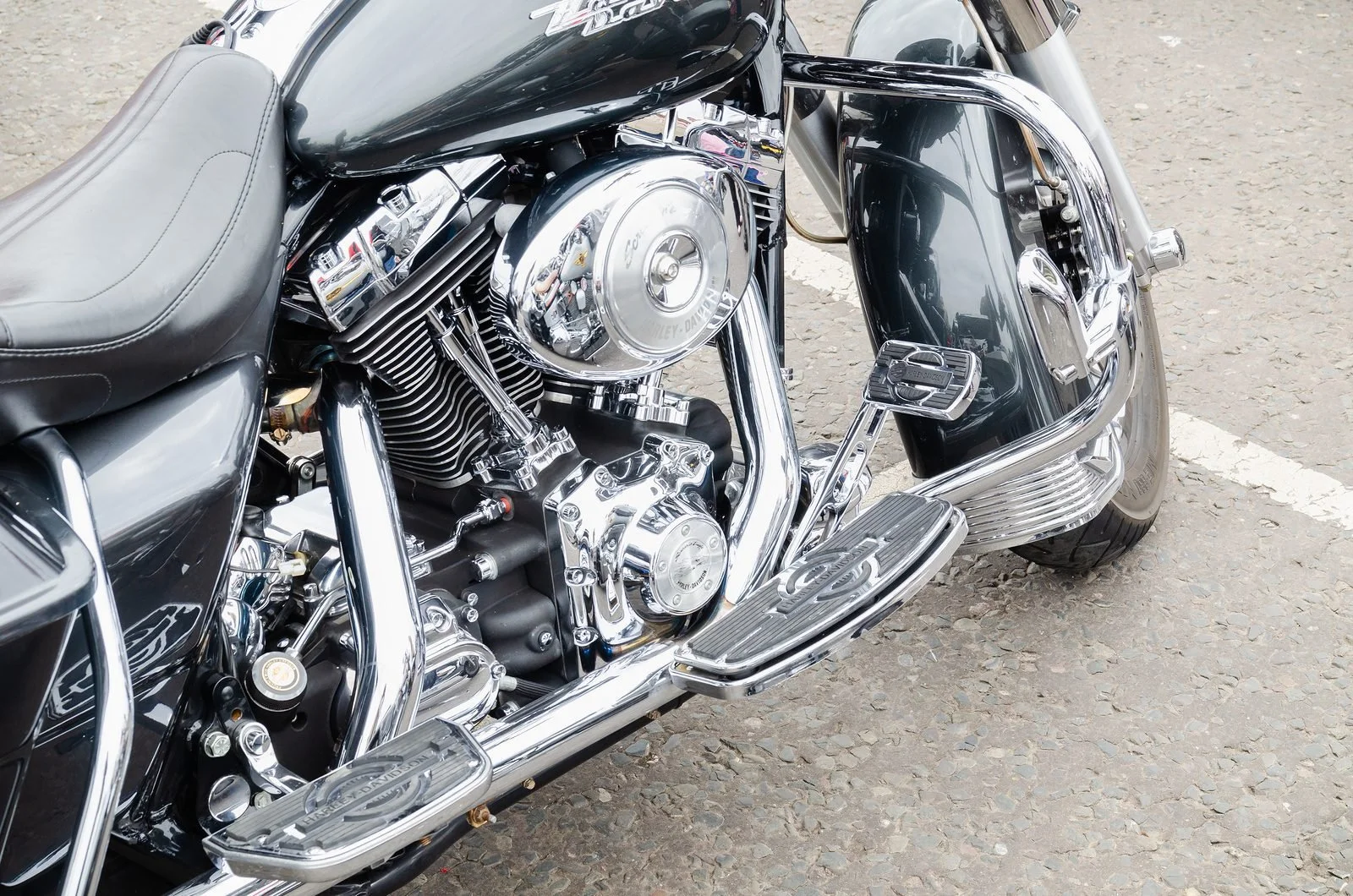
This applies to motorcycles too, by the way. Chrome on bikes gets the same road exposure with even less protection.
Seasonal Chrome Care in Wisconsin
Madison WI weather puts unique stress on auto chrome trim throughout the year. Here's a seasonal approach:
Spring (March-May)
Winter's coating of road salt, ice-melting chemicals, and sand needs to come off immediately. This is the most important cleaning of the year. Salt that sat on chrome all winter has been actively corroding it. Thorough trim washing with focus on undersides of bumpers and inside wheel wells where salt accumulates.
Summer (June-August)
UV exposure, bug splatter, and tree sap are the main threats. Bug residue is acidic and etches chrome if left on. Tree sap bonds to surfaces and requires special solvents to remove safely. Regular washing every 2 weeks handles most summer grime around Waunakee and Sun Prairie where tree-lined streets mean more sap exposure.
Fall (September-November)
Pre-winter protection time. Get a professional detail done in October before the first salt hits the roads. Apply quality wax or sealant to all chrome surfaces. This creates a protective barrier that makes winter washing more effective.
Wet leaves on chrome cause problems too. They trap moisture and release mild acids as they decompose. Clear them off promptly.
Winter (December-February)
Salt season. Wash frequently even though it's cold and miserable. Focus on rinsing salt off chrome bumpers and wheels. You don't need a full detail – just get the salt off before it does damage.
Dry the vehicle after every wash, even a drive-through wash. Automatic dryers in car washes don't fully dry chrome trim. Left to air-dry, chrome almost always shows water spots. These spots attract more dirt and grime, creating a cycle that accelerates corrosion.
How Do I Clean & Maintain Chrome Trim on My Car?
If you want a simple maintenance routine, here's what works:
Weekly: Quick rinse after driving in rain, salt, or dusty conditions. Takes five minutes with a hose.
Every 2 weeks: Full wash including chrome trim with proper car-wash soap. Dry immediately.
Monthly: Inspect chrome for water spots, staining, or early signs of oxidation. Treat problem areas with vinegar solution or chrome polish as needed.
Quarterly: Apply wax or sealant to all chrome surfaces. This protective layer makes regular cleaning easier and prevents bonding of contaminants.
Twice a year: Professional exterior detailing to address anything regular maintenance can't handle. Deep cleaning, machine polishing, and professional-grade protection.
This routine keeps chrome trims for cars looking sharp year-round without consuming every weekend. Consistency beats intensity when it comes to chrome maintenance.
Auto Color: Professional Chrome and Trim Care in Madison WI
Auto Color car care professionals service vehicles inside and out. Whether you need basic trim washing and protection or full chrome restoration on neglected brightwork, our detailing team has the tools and experience to handle it.
We work on all types of automotive trim – chrome-plated, polished aluminum, brushed stainless, anodized, and everything in between. Our technicians know the difference and use appropriate products and techniques for each type.
Call Auto Color to schedule professional detailing or ask about our chrome trim restoration services. We serve the entire Madison WI area including Middleton, Waunakee, Sun Prairie, and all of Dane County.
Your chrome trim doesn't have to look tired. With the right care – or the right professionals – it can shine like the day the car rolled off the lot.
Professional auto body and detailing services including chrome restoration, paint protection, and complete interior and exterior detailing. Serving the Madison WI area since 1991.
