
OEM Repair vs Aftermarket Parts
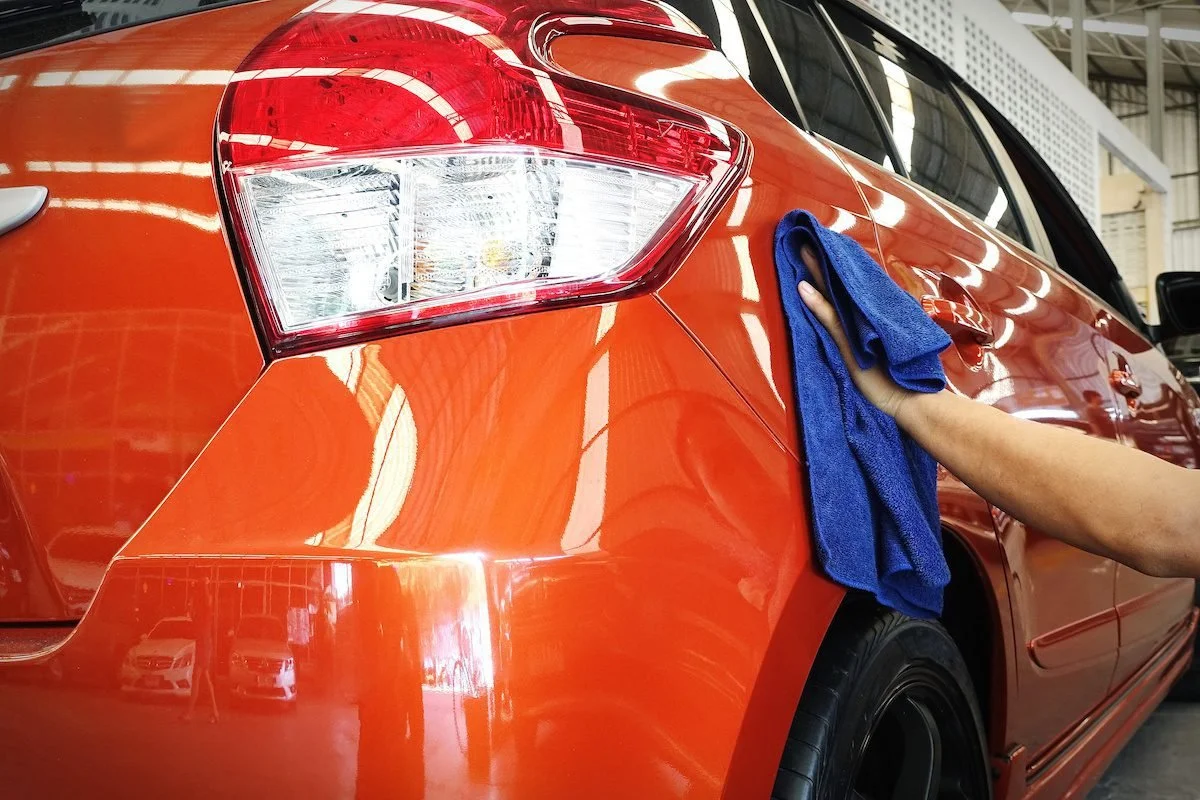
Auto body repair sometimes requires replacing damaged parts. Picking the right replacement parts is part art, part science.
When planning collision repair, technicians focus on three things: Fit, Function, and Finish. The goal is making your car look as good as possible given the damage and budget.
Understanding OEM Body Parts vs Aftermarket
There are three main categories of replacement parts:
OEM (Original Equipment Manufacturer): Parts made by your vehicle's manufacturer. Honda owners get Honda parts. Ford owners get Ford parts. These are identical to what came from the factory.
Aftermarket: Parts produced by third-party suppliers to match manufacturer specifications. Quality varies widely. Some aftermarket parts are excellent, others cut corners.
LKQ (Like Kind and Quality): Recycled genuine parts pulled from salvage vehicles. Quality depends on the donor vehicle's condition.
As a vehicle owner in Madison WI, understanding these options helps you make smart decisions about repairs and costs.
What Does OEM Repair Mean?
OEM repair means fixing your vehicle using parts and procedures specified by the manufacturer. This includes genuine OEM parts and following repair procedures documented in Technical Service Bulletins (TSBs).
For example, repairing a Toyota quarter panel with OEM repair means using a Toyota part and following Toyota's exact welding specs and assembly sequence. This restores the vehicle to factory safety standards.
Insurance companies often push for cheaper alternatives, but OEM repair procedures exist for safety and structural integrity.
Benefits of OEM Parts
Perfect fitment: Genuine parts match exact factory specifications. Panels line up correctly, gaps are even, everything bolts together without modification.
Safety standards: OEM parts meet Federal Motor Vehicle Safety Standards because they're tested during the vehicle's original crash testing. Critical for structural components like bumper reinforcements and door beams.
Warranty protection: Using genuine parts doesn't void factory warranties. Important for newer vehicles with 3-5 year coverage.
Resale value: OEM repairs help resale value. Buyers and dealers know the vehicle was fixed with quality components.
Cost: The main drawback is higher price. You're paying for R&D, quality control, and the manufacturer's brand. Dealership markup adds another layer of cost.
Aftermarket Parts: When They Make Sense
Aftermarket car parts come from third-party companies. Being made by a different manufacturer doesn't automatically mean lower quality – some aftermarket parts are made in the same factories as OEM parts, just without the logo.
Best uses for aftermarket:
Budget repairs on older, lower-value vehicles
Non-structural cosmetic parts like grilles or mirror covers
Faster availability when OEM parts have long wait times
Quality concerns:
Huge range in quality between suppliers
Fitment issues even with CAPA-certified parts
Sometimes thinner materials or lower-grade plastics
Paint matching can be tricky
CAPA certification: Look for parts certified by the Certified Automotive Parts Association. CAPA tests aftermarket products for fit, finish, and structural integrity. Not perfect, but better than uncertified parts.
How to Tell OEM Parts from Aftermarket
Want to verify what's being installed on your vehicle?
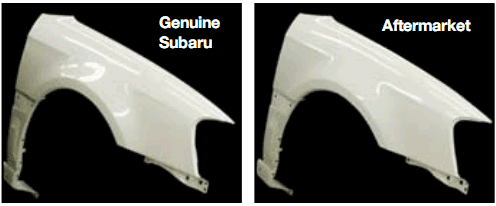
Manufacturer logos: Genuine parts have the vehicle manufacturer's logo stamped or etched into them. Aftermarket parts show the supplier's brand instead.
Part numbers: OEM parts have specific manufacturer part number formats verifiable through dealership catalogs. Aftermarket parts use different numbering systems.
Packaging: Genuine parts come in manufacturer-branded packaging with warranty cards. Aftermarket parts come in supplier boxes.
Price: If the quote seems too good to be true, it probably is. OEM parts cost more.
Just ask: Any reputable body shop will tell you straight up what they're installing. If they're dodgy about it, that's a red flag.
OEM vs Aftermarket: Making the Right Choice

Which should you choose? It depends:
Vehicle age: For newer vehicles (0-5 years), OEM parts protect your investment. For a 15-year-old car with 180,000 miles, certified aftermarket works fine.
Type of damage: For structural repairs involving frame rails or crumple zones, stick with OEM. For cosmetic damage to non-structural panels, aftermarket can work.
Insurance coverage: Check what your policy covers. Some policies exclude aftermarket parts or let you upgrade to OEM by paying the difference.
The $3000 rule: if repairs cost more than the vehicle's value, you're better off selling as-is rather than fixing it.
Common Questions
Is AutoZone OEM or aftermarket?
AutoZone primarily sells aftermarket parts. They occasionally stock OE (Original Equipment) parts – genuine parts sold outside dealerships – but most inventory is aftermarket brands.
What's the difference between OEM and OE?
OEM parts come directly from the vehicle manufacturer. OE parts are genuine manufacturer parts sold through non-dealership channels. Same part, different distribution.
What are the top OEM manufacturers?
Ford, GM, Toyota, Honda, Stellantis (Chrysler/Dodge/Jeep/Ram), Nissan, Hyundai, Kia, Subaru, Mazda. For luxury: Mercedes-Benz, BMW, Audi, Lexus.
Best aftermarket body parts suppliers?
Keystone Automotive (LKQ), CAPA-certified manufacturers, NSF-certified parts, and brands like Sherman and Goodmark. Always verify CAPA certification.
Insurance Companies and Parts Selection
Insurance companies want to minimize costs. They'll often specify aftermarket parts because it saves them money.
But Wisconsin law says you have the right to choose your repair facility and parts. If your insurance specifies aftermarket but you want OEM, you can pay the difference or negotiate with your insurer.
Your body shop should work with you and your insurance to document parts and get proper authorization.
Auto Color: Madison Area Collision Repair
At Auto Color, we help Madison WI vehicle owners navigate these decisions. We work with both OEM and certified aftermarket parts depending on your needs and budget.
Our technicians stay up-to-date on manufacturer repair procedures. We're not tied to any auto body parts supplier, so we source the best option for your situation.
Serving Middleton, Waunakee, Sun Prairie, and all of Dane County:
We'll explain your parts options, help you understand insurance coverage, and deliver quality collision repair. Call Auto Color today for a free estimate and honest advice from experienced technicians.
Serving Madison, Middleton, Waunakee, Sun Prairie, and all of Dane County with expert auto body repair.
